
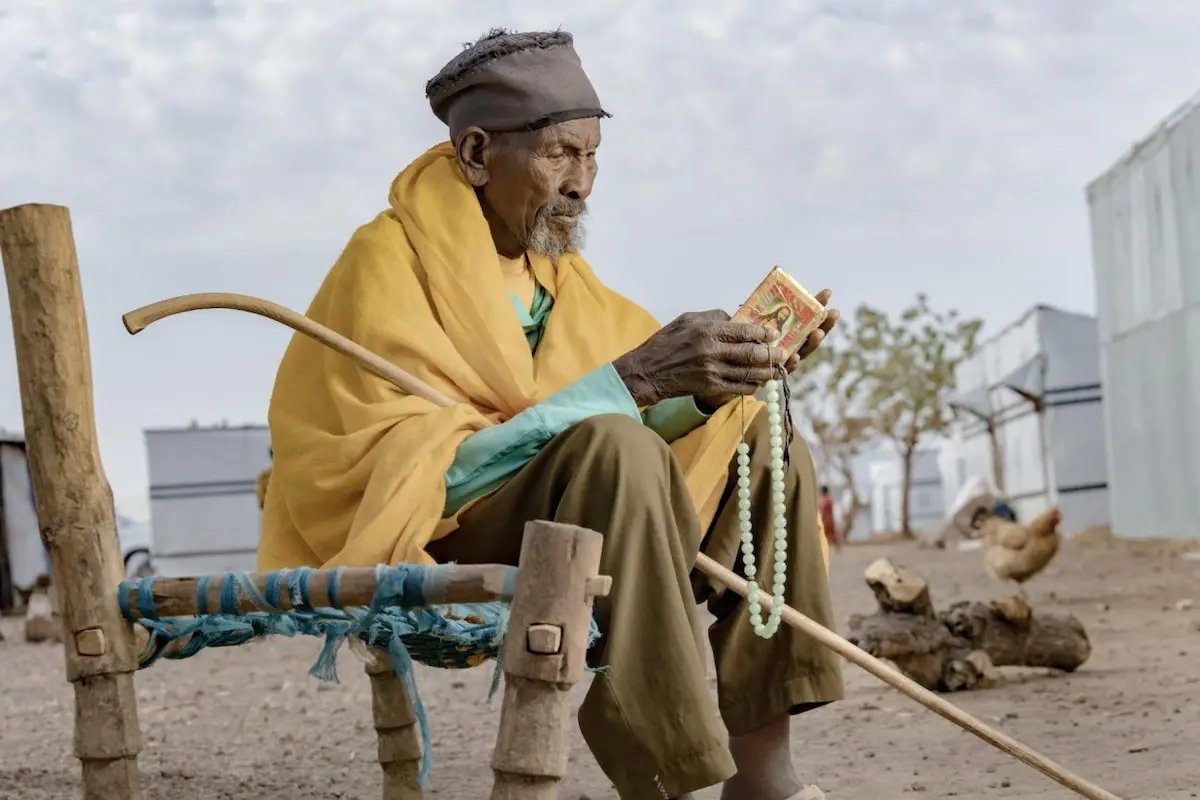
If you’ve never heard of the Dobe‘a, don’t worry — you’re not alone. The Dobe’a were a fascinating group of people who lived in medieval Ethiopia, and their story is full of trade, conflict, culture, and big historical changes.
In this article, I’ll explain who the Dobe’a were, where they lived, how they survived, what kind of lifestyle they followed, and why Ethiopian emperors had to deal with them so seriously.
Who Were the Dobe’a?
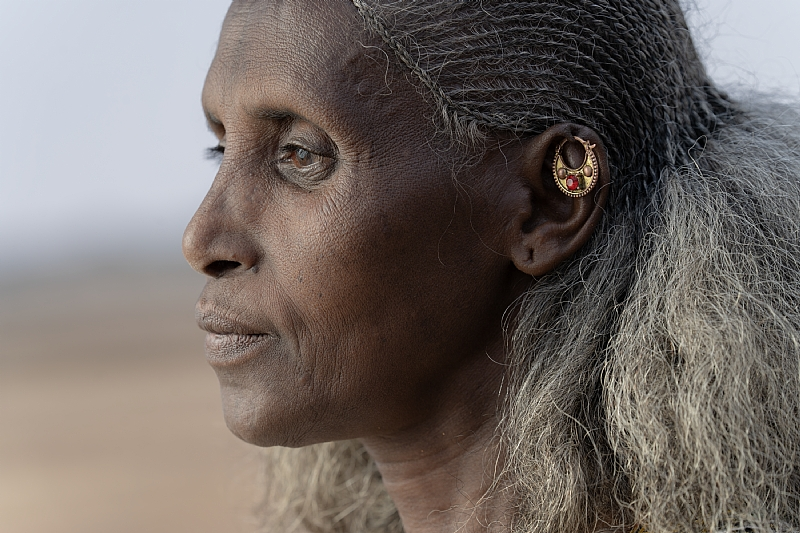
The Dobe’a were a people of medieval Ethiopia. They were mainly known as the primary inhabitants of a place called Doba, located in northeastern Ethiopia.
Today, the name “Doba” still exists as a clan identity among the Afar people, but historians are not fully sure if the Dobe’a were always part of the Afar ethnic group or if they became connected later.
So, in simple words:
The Dobe’a were an important community in Ethiopia during the 15th century, and they were known for their unique culture, strong cattle, and sometimes aggressive lifestyle.
Where Did the Dobe’a Live?
The homeland of the Dobe’a was in northeastern Ethiopia — in areas that are now part of:
- Amhara Region
- Tigray Region
- Afar Region
The first major historical description of the Dobe’a comes from the reign of Emperor Ba’eda Maryam, who ruled Ethiopia between 1468 and 1478.
During his time, the Dobe’a were described as living between:
- Enderta
- Lake Ashenge (in Tigray)
They also lived near the Afars of the Dankali Sultanate, which was a Muslim vassal territory to the east.
The Dobe’a Region Was a Big Trade Hub
One of the most interesting things about the Dobe’a is that their area wasn’t just a rural land of cattle and farming. It also included an important market town called Manadeley.
This town sat on the edge of the Ethiopian Highlands and looked down over the Afar lowlands.
And here’s the crazy part…
A Portuguese traveler named Francisco Álvares, who stayed in Ethiopia, described Manadeley as a market town with:
- “Very great trade, like a city or seaport”
- Goods available from almost everywhere
- Merchants from places like:
- Jeddah
- Fez and Morocco
- Tunis
- Greece
- Ormus
- Cairo
- India
- Jeddah
So yes — the Dobe’a region was connected to international trade networks.
Dobe’a Culture and Lifestyle
Now let’s talk about how the Dobe’a lived.
1. They Were Famous for Their Cows
The Dobe’a were known for tending very high-quality cows. Álvares even claimed they had the largest cows in the world.
Cattle were not just animals for them — they were wealth, survival, and power.
2. They Lived as Pastoralists
Before the 15th century, the Dobe’a mostly lived through:
- Pastoralism (raising cattle and animals)
- Banditry (raiding and attacking others)
Yes — they were known for raids, which made them a serious issue for nearby rulers.
3. Later They Became Agro-Pastoralists
After major military campaigns by the Ethiopian emperor, many Dobe’a shifted to a more stable lifestyle, combining:
- Farming (grain cultivation)
- Animal raising
This change wasn’t random — it happened because the Ethiopian empire pushed them into a new way of life.
You may also like it:
What Is Face APK? Pros, Cons & Safety Tips – Aarya Editz
Best Photo Edit Karna Background For Beginners – Aarya Editz
Stunning LR Photo Editing Presets Download – Aarya Editz
What Did the Dobe’a Look Like (According to Historical Records)?
In the 15th century, the Dobe’a were described in Ethiopian sources as a “black” (tselim) people.
This was in contrast to the “red” (qeyyih) Ethiopians mentioned in the same sources.
This doesn’t mean one was better than the other — it was simply how medieval Ethiopian writers described ethnic and physical differences at that time.
The Famous Attacks by Emperor Ba’eda Maryam
Now we come to one of the biggest parts of Dobe’a history: their conflict with Emperor Ba’eda Maryam.
Why Did the Emperor Attack the Dobe’a?
The Dobe’a were known for:
- Banditry
- Raids
- Avoiding control by the Ethiopian state
So the emperor wanted to bring their region under full control and stop the raids.
The First Campaign Failed
At the start of his reign, Emperor Ba’eda Maryam sent troops into Dobe’a territory.
But the Dobe’a were smart.
They evacuated their:
- Cattle
- Camels
- Supplies
So the emperor’s army couldn’t find them or defeat them properly.
Even when the emperor personally entered the region, the Dobe’a recognized him from far away and escaped again.
The Dankali Sultanate Offered Help
At this point, the ruler of the Danakil region — called Dankalé — offered support.
He even sent gifts like:
- A horse
- A mule loaded with dates
- A shield
- Two spears
And he promised to block the Dobe’a if they tried to escape into Afar territory.
Another Campaign Ended in Heavy Losses
When the emperor sent troops again, things got worse.
His campaign was defeated and suffered heavy casualties.
The emperor became furious and blamed his soldiers for acting without orders.
He even made a strong statement that he would stay in the Dobe’a country until he could:
- Sow grain there
- Feed his horses from its crops
This shows how determined he was to change the Dobe’a region completely.
Disaster Struck the Emperor’s Forces
Later, he sent another governor, Jan Zeg, into a campaign.
But the governor was killed.
Soon after, cholera (or another disease) broke out among the emperor’s troops.
This forced him to withdraw to Tigray.
The Final Campaign Succeeded
The emperor didn’t give up.
He called upon one of his best fighting regiments, Jan Amora (“Royal Eagle”).
When the Dobe’a leaders heard about this new attack, they began fleeing in different directions with:
- Women
- Children
- Cattle
- Property loaded on camels
But this time, the emperor was ready.
He launched another major campaign and sent multiple governors to pursue them.
This campaign succeeded.
It led to:
- The capture of many cattle
- The deaths of many Dobe’a
- A successful pursuit into the lowlands
What Happened After the Dobe’a Were Defeated?
After this defeat, many Dobe’a leaders and people:
- Converted to Christianity
- Begged the emperor for forgiveness
The emperor responded in a surprising way.
Instead of destroying them completely, he:
- Returned their captured cattle
- Gave them extra cattle from other provinces
- Stationed soldiers in their territory
- Built a church dedicated to the Virgin Mary
- Planted orange trees, lemon trees, and vines
He also encouraged a yearly celebration in January, where he distributed:
- Bread
- Tella (beer)
- Tej (honey wine/mead)
And most importantly, he ordered the Dobe’a to become cultivators rather than bandits.
The Dobe’a Later Faced Drought and Economic Problems
About 50 years later, Francisco Álvares reported that the Dobe’a region was struggling.
There was a drought, which caused:
- Loss of cattle
- Difficulty sowing grain
The merchants of Manadeley also complained about heavy taxation.
According to the report, they claimed they had to pay:
- 1000 ounces of gold annually as interest
- On a loan that was only 1000 ounces
That kind of taxation would crush any trade town.
Why the Dobe’a Are Historically Important
The Dobe’a are important because their story shows how medieval Ethiopia worked.
Their history highlights:
- The power of trade towns like Manadeley
- The role of cattle and pastoral wealth
- The conflict between empires and independent groups
- Religious conversion as a political tool
- The transformation of societies from raiding to farming
Even though the Dobe’a are not widely discussed today, their story is a valuable piece of Ethiopian medieval history.
Conclusion
The Dobe’a were not just a random group of people in Ethiopia. They were a strong, organized, cattle-rich community with an important trading region and a lifestyle that challenged the Ethiopian empire.
Their conflicts with Emperor Ba’eda Maryam changed their society forever — pushing many of them toward Christianity and farming, and bringing their homeland under stronger imperial control.
Even today, the name Doba still survives among Afar clans, keeping the memory of the Dobe’a alive in a different form.
FAQs About the Dobe’a
1. Who were the Dobe’a?
The Dobe’a were a medieval Ethiopian people who lived in northeastern Ethiopia and were known for pastoralism, cattle, and trade.
2. Where was the Dobe’a homeland located?
The Dobe’a lived in the region between Enderta and Lake Ashenge in what is now Amhara, Tigray, and Afar regions.
3. What was Manadeley?
Manadeley was one of the largest towns in Dobe’a territory and a major trade market with merchants from Africa, the Middle East, and even India.
4. Why did Emperor Ba’eda Maryam attack the Dobe’a?
He attacked them because they were known for banditry and resisting imperial control.
5. Did the Dobe’a convert to Christianity?
Yes, after being defeated by the emperor, many Dobe’a converted to Christianity and accepted imperial rule.
6. What happened to the Dobe’a later?
Later reports suggest their region suffered drought, cattle loss, and heavy taxation, which damaged trade and agriculture.
