
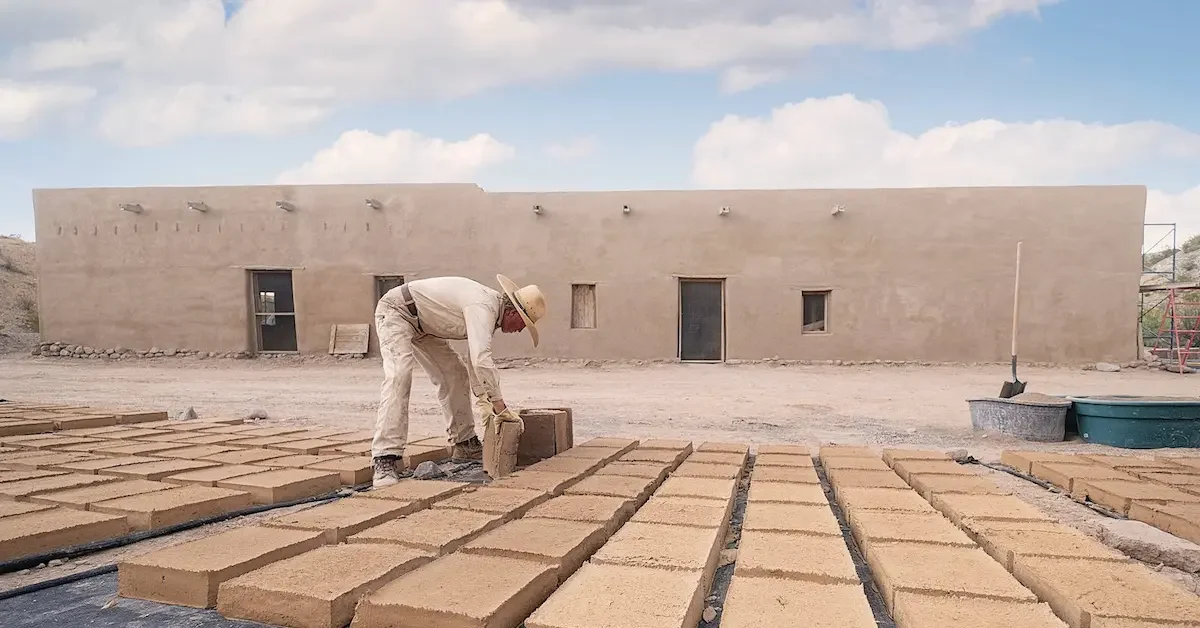
Adobe buildings are one of the oldest and most environmentally friendly forms of architecture in the world. Made from natural materials like clay sand water and straw adobe structures have been used for thousands of years in many regions with hot and dry climates
These buildings are known for their thick walls natural cooling system durability and beautiful traditional appearance which make them both practical and sustainable
In 2026 adobe buildings are becoming popular again as more people search for eco-friendly housing solutions that reduce environmental impact and energy costs
Modern architects and builders are now combining traditional adobe construction methods with modern technology to create stronger more comfortable and energy-efficient homes
This guide will explain everything about adobe buildings including their history materials construction methods benefits challenges and future role in sustainable living and green architecture
What Are Adobe Buildings?
Adobe buildings are structures made from adobe bricks which are created using natural materials like clay sand water and straw The bricks are shaped into blocks and dried naturally under the sun instead of being baked in ovens or kilns
These buildings have been used for centuries because they are affordable durable and suitable for hot and dry climates
Simple Meaning
In simple words adobe buildings are homes or structures made from sun-dried mud bricks
Main Materials Used in Adobe Construction
Adobe buildings are usually made using natural materials such as
- Clay
- Sand
- Water
- Straw or grass
- Natural fibers
These materials are mixed together to create strong adobe bricks
How Adobe Bricks Are Made
The adobe mixture is placed into molds to form bricks After shaping the bricks are left under sunlight until they become dry and hard enough for construction
Why Adobe Buildings Are Unique
Adobe buildings are different from modern concrete buildings because they use natural eco-friendly materials and provide excellent natural insulation
Natural Temperature Control
One of the biggest advantages of adobe structures is their ability to maintain comfortable indoor temperatures Thick adobe walls keep interiors cool during hot weather and warm during cold nights
Traditional and Cultural Importance
Adobe architecture is closely connected with traditional cultures and ancient civilizations in many parts of the world
Common Places Where Adobe Buildings Are Found
Adobe structures are commonly found in
- Mexico
- Peru
- Morocco
- Yemen
- Southwestern United States
Modern Adobe Buildings
In 2026 modern adobe buildings combine traditional techniques with modern engineering for better durability comfort and sustainability
Why Adobe Buildings Matter Today
Adobe construction is becoming important again because people are looking for sustainable affordable and environmentally friendly building solutions
Overall adobe buildings are a unique form of architecture that combines natural materials energy efficiency and cultural heritage into a sustainable housing solution
History of Adobe Buildings
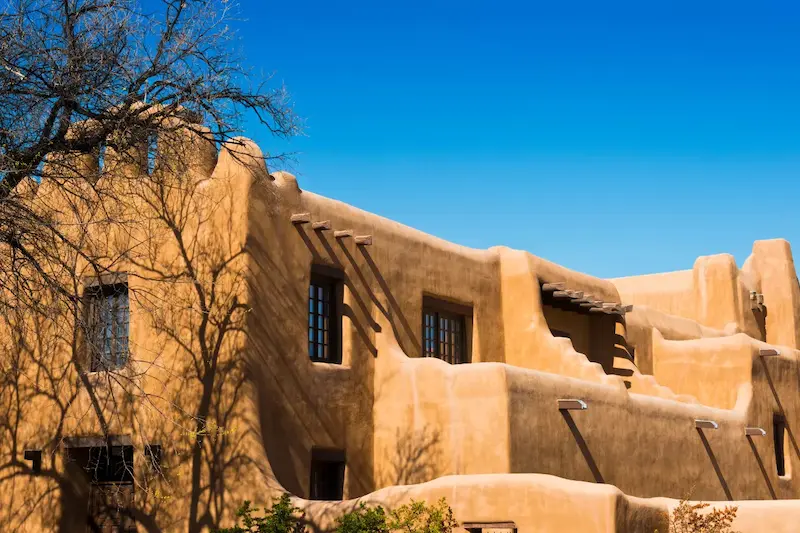
Adobe buildings have a long and rich history that goes back thousands of years Ancient civilizations used adobe as one of the earliest building materials because it was easy to make affordable and available in many regions
People living in hot and dry climates discovered that adobe structures could keep homes cool during the day and warm at night making them ideal for desert environments
Origins of Adobe Architecture
Adobe construction began in ancient civilizations across the Middle East North Africa and South America where natural materials like clay sand and straw were easily available
Adobe in Ancient Civilizations
Many ancient cultures used adobe to build homes temples forts and entire cities Some of the most famous adobe civilizations include
- Ancient Egyptians
- Mesopotamian civilizations
- Indigenous American cultures
- Inca civilizations
- Native tribes of the American Southwest
Adobe Buildings in North America
Adobe architecture became especially popular in regions like New Mexico Arizona and Mexico because of the dry climate
Traditional adobe homes in these areas are famous for their thick walls flat roofs and rounded edges
Adobe Architecture in South America
Countries like Peru and Bolivia used adobe extensively for homes religious buildings and historic settlements Many ancient adobe structures still exist today
Adobe Buildings in Africa and the Middle East
In countries like Morocco and Yemen adobe buildings became an important part of local architecture because they helped protect people from extreme desert heat
Famous Historical Adobe Structures
Some famous adobe sites include
- Taos Pueblo in New Mexico
- Great Mosque of Djenné in Mali
- Ancient adobe cities in Yemen
- Traditional Moroccan kasbahs
These structures show the durability and cultural importance of adobe construction
Why Adobe Was Popular Historically
Adobe became popular because
- Materials were locally available
- Construction costs were low
- Buildings provided natural insulation
- The method was simple and practical
Evolution of Adobe Construction
Over time builders improved adobe techniques by adding stronger foundations waterproof coatings and decorative architectural styles
Adobe Buildings in Modern Times
In 2026 adobe architecture continues to inspire sustainable building practices Modern architects combine traditional adobe methods with modern engineering and eco-friendly design concepts
Importance of Adobe History Today
The history of adobe buildings teaches people about sustainable living traditional craftsmanship and environmentally friendly construction methods that remain valuable even today
Overall adobe buildings are an important part of world architectural history and continue to influence modern sustainable design and eco-friendly housing solutions.
You may also like it:
How To Edit Image Text In Word – Aarya Editz
How To Edit Video In Iphone – Aarya Editz
How To Edit Resume In Laptop – Aarya Editz
How To Edit Photos In Mobile – Aarya Editz
Materials Used in Adobe Construction
Adobe buildings are made using simple natural materials that are easy to find environmentally friendly and affordable These materials work together to create strong durable and energy-efficient structures
Clay
Clay is the main ingredient in adobe construction It acts like a natural glue that holds the adobe mixture together and gives strength to the bricks
Sand
Sand is added to reduce cracking and improve the stability of adobe bricks It helps balance the clay content and increases durability
Water
Water is used to mix all the materials together and create the mud-like adobe mixture needed for shaping bricks
Straw or Grass
Straw grass or other natural fibers are mixed into adobe to improve strength flexibility and crack resistance These fibers help hold the bricks together as they dry
Natural Fibers
Some builders also use additional organic materials like animal hair plant fibers or leaves to improve the quality of adobe bricks
Mud Mortar
Mud mortar is used to join adobe bricks together during wall construction It is usually made from the same adobe mixture
Natural Plaster
Adobe walls are often covered with natural plaster made from clay lime or mud to protect the structure and improve appearance
Wooden Support Materials
Wood is commonly used for roof supports doors windows and structural framing in adobe buildings
Stone Foundations
Many adobe buildings use stone foundations to protect walls from moisture and improve stability
Why Natural Materials Are Important
Using natural materials makes adobe construction environmentally friendly because it reduces pollution energy use and waste compared to modern building materials
Benefits of Adobe Materials
Adobe construction materials provide many advantages such as
- Low construction cost
- Eco-friendly building process
- Natural insulation
- Local material availability
- Sustainable architecture
Modern Improvements in Adobe Materials
In 2026 builders sometimes combine traditional adobe materials with modern waterproof coatings stabilizers and reinforcement systems to improve durability and weather resistance
Importance of Material Quality
The strength and lifespan of adobe buildings depend heavily on the quality and balance of materials used during construction
Overall the natural materials used in adobe construction make these buildings sustainable affordable energy-efficient and environmentally friendly for modern housing needs
How Adobe Buildings Are Constructed
Adobe buildings are constructed using traditional methods that combine natural materials simple tools and skilled craftsmanship The process focuses on creating strong durable and energy-efficient structures using sun-dried adobe bricks
Step 1 Preparing the Adobe Mixture
The construction process begins by mixing clay sand water and straw together to form thick mud This mixture must have the correct balance for strong and durable adobe bricks
Step 2 Making Adobe Bricks
The adobe mixture is placed into wooden or metal molds to create brick shapes Builders smooth the surface and remove extra material before drying
Step 3 Drying Adobe Bricks
The bricks are left under direct sunlight for several days or weeks until they become completely dry and hard Proper drying is important to prevent cracking and weakness
Step 4 Preparing the Foundation
A strong foundation is built usually with stone or concrete to protect adobe walls from ground moisture and improve structural stability
Step 5 Building the Walls
The dried adobe bricks are stacked layer by layer using mud mortar Thick walls are created to provide strength and natural insulation
Step 6 Installing Doors and Windows
Wooden frames for doors and windows are added during wall construction to support the structure properly
Step 7 Roof Construction
Roofs are usually made using wooden beams covered with natural materials tiles or modern roofing systems depending on the design
Step 8 Applying Protective Plaster
Adobe walls are coated with natural plaster made from mud clay or lime This helps protect the walls from weather damage and improves appearance
Step 9 Finishing and Decoration
Builders add decorative finishes paint flooring and architectural details to complete the structure
Traditional Adobe Construction Techniques
Traditional builders often use handmade methods and local materials passed down through generations
Modern Adobe Construction Methods
In 2026 modern adobe buildings may include
- Waterproof coatings
- Reinforced structural supports
- Energy-efficient roofing
- Modern insulation systems
- Earthquake-resistant designs
Time Required for Adobe Construction
Adobe construction can take longer than modern concrete building because bricks need time to dry naturally under sunlight
Why Adobe Construction Is Sustainable
Adobe construction is considered sustainable because it uses renewable materials requires less industrial energy and creates minimal environmental pollution
Benefits of Adobe Construction
- Low environmental impact
- Affordable materials
- Natural temperature control
- Long-lasting structures
- Energy efficiency
Overall adobe building construction combines traditional craftsmanship with natural materials to create sustainable durable and eco-friendly homes and structures
Benefits of Adobe Buildings
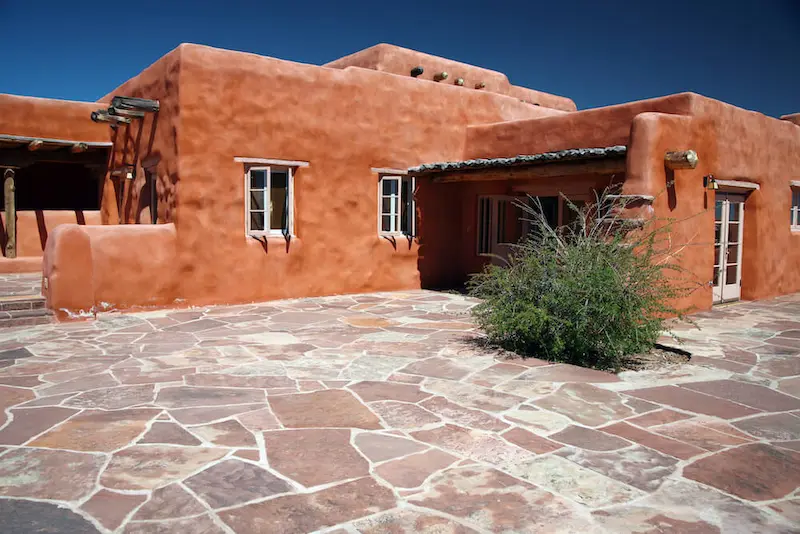
Adobe buildings offer many advantages that make them one of the most sustainable and eco-friendly construction methods even in 2026
Eco-Friendly Construction
Adobe uses natural materials like clay sand and straw which reduces environmental pollution and supports sustainable building practices
Energy Efficiency
Thick adobe walls naturally regulate temperature keeping buildings cool in summer and warm in winter which reduces the need for air conditioning and heating
Low Construction Cost
Adobe materials are usually locally available and inexpensive making it an affordable housing option for many regions
Natural Insulation
Adobe provides excellent thermal insulation which helps maintain comfortable indoor temperatures throughout the year
Sustainable Living
Adobe construction supports green living by using renewable and biodegradable materials that have minimal environmental impact
Long-Lasting Structures
With proper maintenance adobe buildings can last for decades and even centuries proving their durability
Simple Construction Process
Adobe building methods are simple and do not require heavy machinery or complex technology
Healthier Indoor Environment
Adobe walls help regulate humidity and create a more natural and comfortable indoor environment
Reduced Carbon Footprint
Since adobe uses natural materials and low energy production methods it helps reduce carbon emissions compared to modern concrete buildings
Cultural and Historical Value
Adobe architecture preserves traditional building styles and reflects the cultural heritage of many regions around the world
Better Temperature Control
Adobe naturally adapts to climate changes making it ideal for hot and dry environments
Easy Maintenance
Minor repairs in adobe buildings are simple and can often be done using the same natural materials
Fire Resistance
Adobe structures have good fire resistance because of their thick earthen walls
Modern Sustainability Integration
In 2026 adobe buildings are often combined with modern technologies like solar panels waterproof coatings and reinforced structures for improved performance
Suitable for Rural and Eco Projects
Adobe construction is widely used in eco-resorts rural housing and sustainable development projects
Why Benefits Matter
These benefits make adobe buildings a practical choice for people looking for affordable eco-friendly and energy-efficient housing solutions
Overall adobe buildings provide a perfect balance of sustainability durability and natural comfort making them a valuable construction method in modern times
What are adobe buildings?
Adobe buildings are structures made from sun-dried mud bricks using natural materials like clay sand water and straw
Why are adobe buildings eco-friendly?
They use natural renewable materials and require less energy to produce compared to modern construction methods
Are adobe buildings strong and durable?
Yes with proper maintenance adobe buildings can last for many years and even centuries in dry climates
Conclusion
Adobe buildings are a timeless example of sustainable and eco-friendly architecture that has been used for thousands of years and still remains important in 2026
These structures are made from natural materials like clay sand water and straw which makes them affordable environmentally friendly and energy efficient
With their ability to naturally regulate temperature reduce energy use and support green living adobe buildings offer a smart solution for modern housing needs especially in hot and dry climates
Although they require proper maintenance and are not suitable for all weather conditions modern construction techniques are improving their strength and durability
Overall adobe buildings represent a perfect balance between traditional craftsmanship and modern sustainability making them a valuable choice for the future of eco-friendly architecture
