
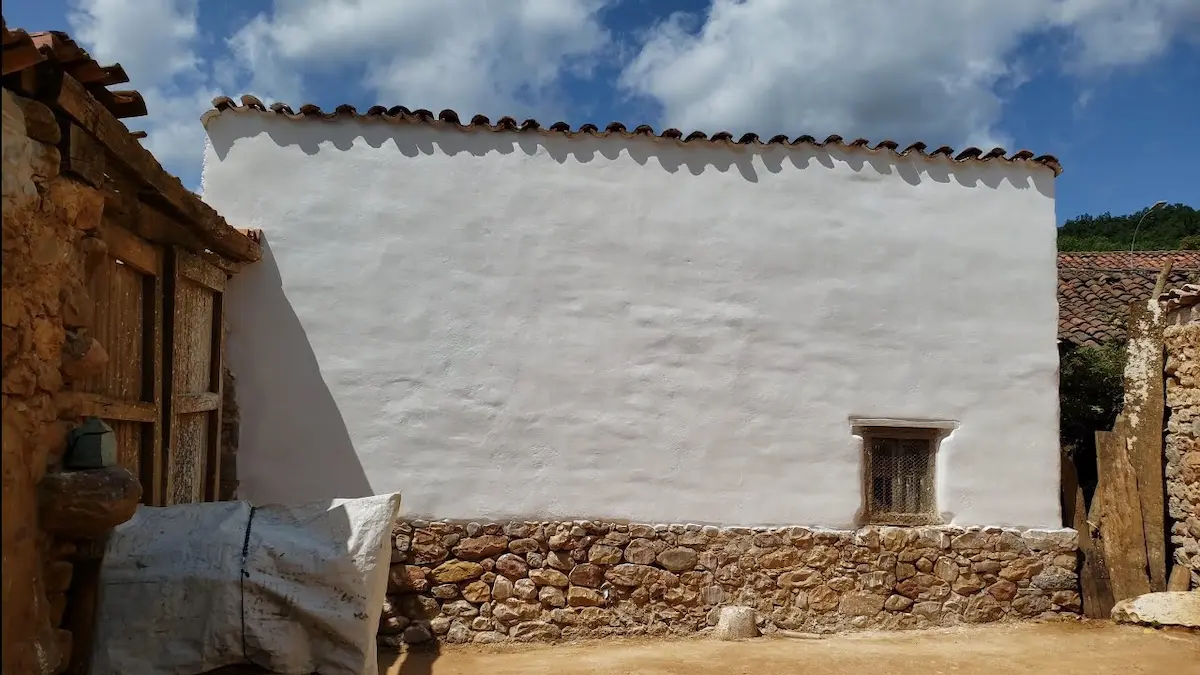
Adobe walls are one of the oldest and most natural forms of construction used by humans for centuries. They are made from simple materials like clay, soil, water, and straw, which are shaped into bricks and dried under the sun. This traditional building method is still used in many parts of the world, especially in dry and warm regions
In today’s modern construction industry, adobe walls are gaining attention again because of their eco-friendly nature and low cost. They provide a sustainable alternative to expensive building materials like cement and concrete
Adobe construction is not only affordable but also helps maintain a comfortable indoor temperature, keeping homes cool in summer and warm in winter. Because of these benefits, adobe walls are considered a practical and environmentally friendly choice for housing in suitable climates
What Is an Adobe Wall?
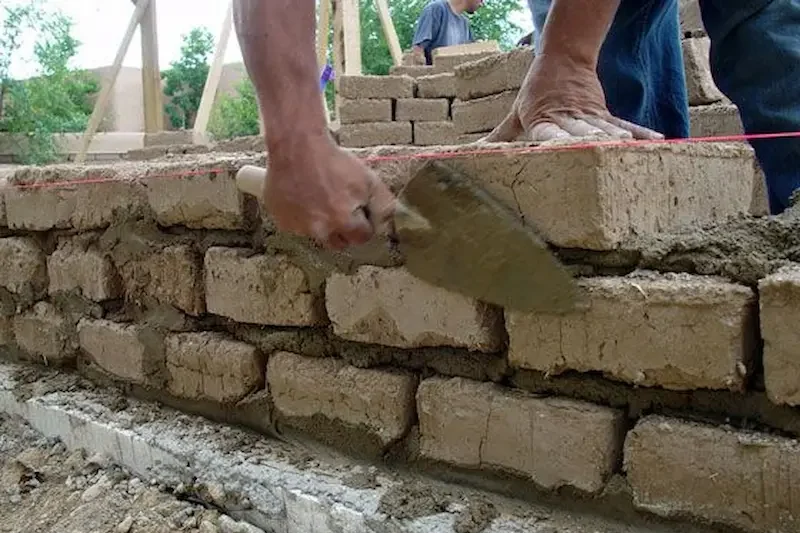
An adobe wall is a type of wall made using natural earth materials, mainly clay or soil mixed with water and organic fibers like straw. This mixture is shaped into bricks and dried in the sun until it becomes strong enough for construction use. These sun-dried bricks are then stacked together using mud mortar to build walls
Adobe walls are a traditional construction method that has been used for thousands of years in different parts of the world. They are especially common in dry and warm regions where rain and moisture are limited, as adobe materials perform best in such climates
Basic Concept of Adobe Construction
The main idea behind adobe construction is to use locally available natural materials instead of industrial building products. This makes it a simple, affordable, and environmentally friendly building method. The process relies on sun drying rather than firing in kilns, which reduces energy use and makes it more sustainable
Historical Importance
Adobe walls have been used in ancient civilizations for homes, forts, and public buildings. Many traditional structures built with adobe are still standing today, showing the strength and durability of this method when properly maintained
Modern Relevance
Even in modern times, adobe walls are being used in eco-friendly architecture projects. Builders and designers are combining traditional adobe techniques with modern technology to create sustainable and energy-efficient homes
Key Idea
In simple words, an adobe wall is a natural and low-cost building solution that connects traditional craftsmanship with environmentally friendly living practices
Materials Used in Adobe Walls
Adobe walls are made using simple and natural materials that are easily available in most rural and dry areas. The use of these natural elements makes adobe construction affordable, eco-friendly, and sustainable
Clay or Soil
The main material used in adobe walls is clay or soil. It provides strength and structure to the bricks. The soil should have a good balance of clay and sand to ensure durability and stability
Water
Water is used to mix the soil and other materials together. It helps create a smooth and moldable mixture that can be shaped into bricks
Straw or Dry Grass
Straw or dry grass is added to the mixture to improve strength and prevent cracking. It works as a natural binding material that holds the brick together as it dries
Sand (Optional)
In some cases, sand is added to improve the texture and strength of adobe bricks. It helps reduce shrinkage and increases stability in the final structure
Natural Binding Process
All these materials are mixed together to form a thick paste. This mixture is then placed into molds and left to dry under the sun, creating strong adobe bricks ready for construction
Eco-Friendly Nature of Materials
One of the biggest advantages of adobe materials is that they are completely natural and do not harm the environment. They require no industrial processing, making them a sustainable choice for building homes and structures
How Adobe Walls Are Built
Adobe wall construction is a simple but careful process that uses natural materials and traditional techniques. Each step is important to ensure the wall becomes strong, durable, and long-lasting
Preparing the Mixture
The first step is to prepare the adobe mixture. Clay or soil is mixed with water, straw, and sometimes sand. This mixture is thoroughly blended until it becomes thick, smooth, and easy to shape
Making Adobe Bricks
Once the mixture is ready, it is placed into wooden or metal molds to form brick shapes. These molds help create uniform bricks that are easy to stack during construction
Sun Drying Process
After shaping, the adobe bricks are left to dry naturally under the sun for several days. This drying process removes moisture and hardens the bricks without the need for firing or industrial heating
Building the Wall Structure
Once the bricks are fully dried, they are stacked together to form walls. A mud-based mortar is used between the bricks to hold them firmly in place and create a stable structure
Plastering and Finishing
After the wall is built, it is often coated with a layer of mud plaster or natural material to protect it from weather damage. This finishing step improves durability and gives the wall a smooth surface
Traditional Yet Effective Method
Although simple, this construction method has been used for centuries and remains effective in dry climates. It combines natural resources with practical building techniques to create strong and eco-friendly structures
Advantages of Adobe Walls
Adobe walls offer many benefits that make them a popular choice in traditional and eco-friendly construction. These advantages are mainly related to cost, environment, and natural comfort
Eco-Friendly Construction
One of the biggest advantages of adobe walls is that they are made from natural materials like soil, clay, and straw. They do not require industrial processing, which makes them environmentally friendly and sustainable
Low Cost Building Method
Adobe construction is very affordable because the materials are easily available in nature. This reduces the need for expensive cement, bricks, or heavy machinery, making it a budget-friendly option
Natural Temperature Control
Adobe walls have excellent thermal properties. They keep homes cool in hot weather and warm in cold weather, providing natural insulation without the need for extra energy
Energy Efficient
Since adobe buildings regulate temperature naturally, they reduce the need for air conditioning and heating systems. This helps save energy and lowers electricity costs
Easy Availability of Materials
All materials used in adobe construction are commonly found in rural and natural environments. This makes it easy for people to build homes without depending on industrial suppliers
Simple Construction Process
The building process is straightforward and does not require highly skilled labor or complex tools. This makes adobe construction accessible to many communities
Environmentally Sustainable Choice
Adobe walls support sustainable living by reducing carbon emissions and promoting the use of renewable natural resources
Strong in Suitable Climates
In dry and warm regions, adobe walls can last for many years when properly maintained, making them a reliable traditional building method
Disadvantages of Adobe Walls
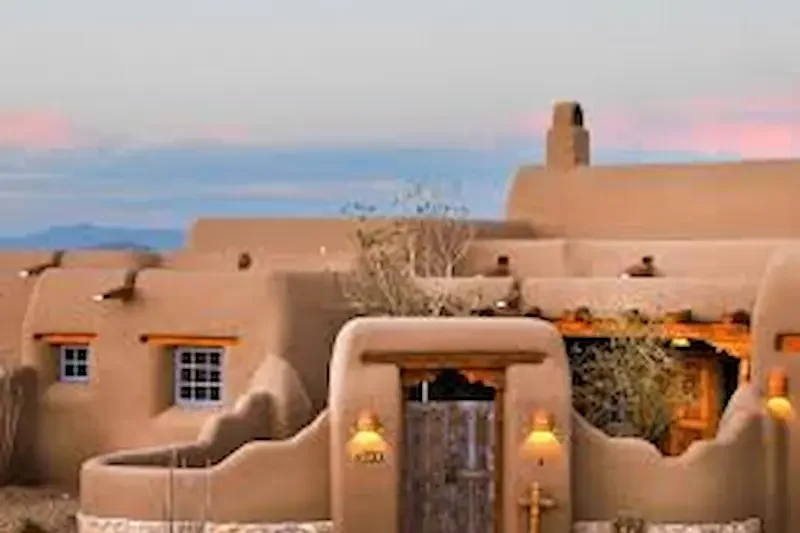
Although adobe walls have many benefits, they also come with some limitations that must be considered before using them in construction
Not Water Resistant
One of the biggest disadvantages of adobe walls is that they are weak against water. Heavy rain or moisture can damage the structure if it is not properly protected with plaster or roofing
Requires Regular Maintenance
Adobe walls need frequent maintenance to keep them in good condition. Cracks and surface damage may occur over time, especially in changing weather conditions
Not Suitable for All Climates
Adobe construction works best in dry and warm regions. In areas with heavy rainfall, high humidity, or extreme weather, adobe walls may not perform well
Lower Strength Compared to Modern Materials
Compared to concrete or fired bricks, adobe walls are less strong and may not be suitable for multi-story or heavy-load buildings
Long Drying Process
The process of making adobe bricks requires sun drying, which can take several days. This makes construction slower compared to modern building methods
Risk of Erosion
Without proper protection, wind and water erosion can gradually weaken adobe walls over time
Limited Modern Usage
Due to modern construction materials and techniques, adobe walls are less commonly used in urban areas and are mostly found in traditional or rural housing
Needs Proper Protection
To increase durability, adobe walls require plastering, roof overhangs, and other protective measures to prevent weather damage
What is an adobe wall?
An adobe wall is a traditional wall made from natural materials like clay, soil, water, and straw that are shaped into bricks and dried in the sun
Are adobe walls strong?
Yes, adobe walls can be strong in dry climates when properly built and maintained, but they are not as strong as modern concrete structures
How long do adobe walls last?
With proper care and protection from water, adobe walls can last for many years, even decades
Conclusion
Adobe walls are a traditional yet highly practical construction method that continues to hold value in modern times. Built from natural materials like clay, soil, and straw, they offer an eco-friendly and cost-effective solution for housing, especially in dry and warm regions
While adobe construction has many advantages such as energy efficiency, low cost, and environmental sustainability, it also requires proper care and is not suitable for all weather conditions. With the right protection and maintenance, adobe walls can last for many years and provide comfortable living spaces
Overall, adobe walls represent a smart balance between tradition and sustainability, making them an important part of eco-friendly architecture and rural construction practices even today
