
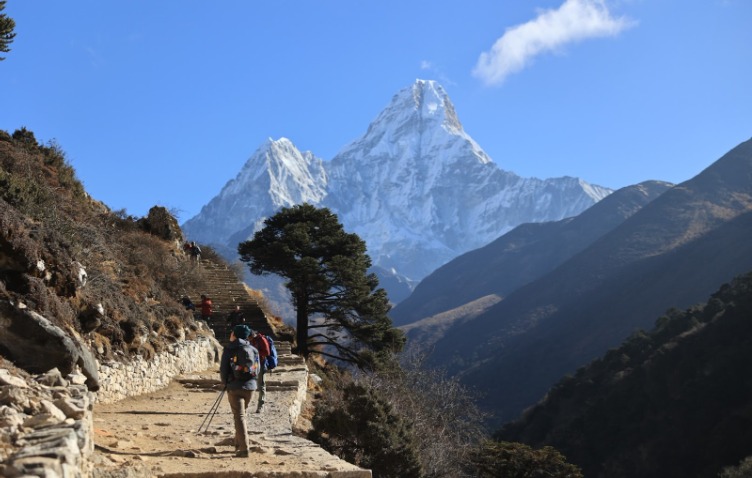
Tucked between the towering Himalayas and the lush jungles of the Indian plains, Nepal is a destination that stirs the soul. It is a land of soaring mountains, ancient temples, and warm-hearted people whose traditions date back centuries.
From the moment you set foot in this Himalayan gem, you’re greeted not just by breathtaking views but by a deep sense of spiritual energy and cultural richness that few places on earth can offer.
Whether you dream of trekking through snow-capped peaks, exploring ancient cities, or seeking mindfulness in serene monasteries, Nepal has a way of capturing your heart and staying with you forever.
With the world slowly returning to the rhythm of travel, 2025 is the perfect time to discover—or rediscover—this magical country. Nepal is not just for hardcore adventurers or mountain lovers; it caters to all types of travelers, from solo wanderers to families, from cultural enthusiasts to wildlife lovers. Here’s why Nepal deserves a spot on your 2025 travel bucket list.
1. Unrivaled Trekking and Hiking Opportunities
Nepal is home to some of the most iconic treks on the planet. The Everest Base Camp Trek, the Annapurna Circuit, and the Manaslu Circuit are legendary among trekking communities for their natural beauty and dramatic mountain scenery.
These treks offer more than just physical challenge—they offer an immersion into Himalayan culture and a chance to witness towering peaks like Everest, Annapurna, and Manaslu up close.
For beginners, treks like Ghorepani Poon Hill, Mardi Himal, and Langtang Valley are ideal. They provide stunning views and cultural encounters without requiring intense preparation. Intermediate trekkers can take on the Annapurna Circuit or Everest Base Camp Trek.
For seasoned adventurers, Nepal offers challenging routes like the Everest Three Passes Trek, Kanchenjunga Base Camp, and the mystical Upper Dolpo region. With trails suited for every experience level, Nepal is a trekker’s paradise.
2. Breathtaking Natural Scenery
Nepal’s natural beauty is awe-inspiring. From the snowy peaks of the Himalayas to the terraced hillsides, serene lakes, and dense jungles of the south, the country is an ever-changing canvas of landscapes. The view of sunrise over the Annapurna range from Poon Hill or the turquoise lakes of Gokyo will leave you speechless.
The scenery isn’t limited to the high altitudes. In the lowland Terai region, you’ll find lush jungles and wildlife reserves. Whether you’re hiking through rhododendron forests, walking along glacial rivers, or enjoying views of mist-covered hills, Nepal’s natural charm is as diverse as it is mesmerizing.
3. Thrilling Adventure Activities
If you’re looking for an adrenaline rush, Nepal has you covered. It’s one of the world’s top destinations for adventure sports. You can paraglide over Pokhara with the Annapurna range as your backdrop, plunge into the Bhote Koshi River on a heart-pounding bungee jump, or tackle some of the best white-water rafting in Asia.
Mountain biking and enduro biking trails in places like Kathmandu Valley and Mustang offer rugged challenges for cyclists. Zip-lining, rock climbing, canyoning, and skydiving are also popular in various regions. Nepal’s terrain and natural features make it a playground for thrill-seekers.
4. Rich Cultural and Historical Heritage
Nepal’s cultural tapestry is woven from centuries of history, spiritual traditions, and artistic achievement. The Kathmandu Valley alone is a living museum with ancient palaces, temples, and stupas.
UNESCO World Heritage Sites such as Pashupatinath Temple, Boudhanath Stupa, Swayambhunath (Monkey Temple), and the medieval Durbar Squares of Kathmandu, Bhaktapur, and Patan reflect the grandeur of Nepal’s past.
Beyond the capital, places like Lumbini, the birthplace of Lord Buddha, and Muktinath, a sacred site for both Hindus and Buddhists, add spiritual depth to your journey. A cultural tour in Nepal isn’t just about sightseeing—it’s an invitation to connect with timeless rituals and age-old customs.
5. Incredible Wildlife and Biodiversity
While Nepal is known for its mountains, its wildlife is equally fascinating. The lowland jungles of Chitwan and Bardia National Parks are home to rhinos, elephants, crocodiles, and even Bengal tigers. Bird watchers will find paradise with hundreds of species thriving in Nepal’s varied habitats.
You can go on a jeep safari, take a canoe ride through crocodile-inhabited waters, or enjoy a peaceful birdwatching tour at dawn. Nepal’s efforts in wildlife conservation have made it a success story worth experiencing firsthand.
6. Authentic Cultural Encounters and Homestays
In Nepal, it’s easy to move beyond the role of a tourist and become a guest in someone’s home. Homestays in villages like Ghale Gaun, Panauti, and Tansen offer immersive experiences into the daily lives of local communities. Sharing meals, learning traditional crafts, and participating in local festivals offer travelers a richer understanding of Nepali life.
These encounters create meaningful connections and often become the most cherished memories of the trip. Staying in a mountain village or a traditional Newari home brings you closer to the soul of the country.
7. Family-Friendly Travel Options
Nepal is a great destination for families seeking adventure with a cultural twist. The Everest Base Camp Helicopter Tour offers a once-in-a-lifetime experience without the physical strain of trekking. Families can also embark on scenic tours to Upper Mustang, or enjoy gentle treks to places like Ghorepani Poon Hill for a majestic sunrise.
For more active families, the Ghorepani trek can be extended by trekking to Annapurna Base Camp, creating a rewarding multi-generational experience. Cities like Pokhara and Kathmandu have comfortable hotels, cultural shows, boating activities, and child-friendly attractions, making Nepal a balanced destination for families.
8. Spiritual Retreats and Mindful Escapes
For those looking to reconnect with themselves, Nepal offers an environment conducive to peace and introspection. The country is dotted with monasteries, meditation centers, and yoga retreats set in tranquil mountain settings.
Whether you join a silent meditation retreat in a Buddhist monastery or practice yoga with a view of the Himalayas, Nepal’s serene atmosphere supports spiritual growth. It’s no surprise that many travelers come here to detox from busy lives and find clarity in its stillness.
9. Voluntourism and Purposeful Travel
Travel in Nepal often takes on a deeper meaning. Many visitors choose to give back through volunteering, whether by teaching in village schools, helping in rebuilding projects, or supporting conservation initiatives. Voluntourism provides a way to make your travel more impactful and connect with local communities on a deeper level.
This type of travel adds value both for the traveler and the host community, creating a more responsible and enriching experience. Nepal has many trusted organizations that facilitate ethical and sustainable volunteering opportunities.
10. Warm Hospitality and Safety
Nepalis are known for their generosity and hospitality. Visitors are often greeted with smiles, offered tea, and welcomed as part of the family. Despite being a developing country, Nepal is remarkably safe for travelers, including solo and female travelers. The country’s strong sense of community and respect for guests helps create a secure and welcoming environment.
Whether you’re trekking in remote villages or wandering the bustling streets of Kathmandu, you’re likely to be met with kindness and helpfulness at every turn. This warm hospitality turns first-time visitors into lifelong admirers.
Make 2025 the Year of Nepal
If you’re planning your 2025 travel calendar, Nepal checks all the boxes. It combines adventure with serenity, ancient culture with modern-day warmth, and awe-inspiring landscapes with soulful human connection.
Whether you’re dreaming of standing beneath the towering peaks of the Himalayas, exploring sacred temples, or simply sipping tea in a mountain village, Nepal promises to deliver a journey that transforms you.
Start planning now, because Nepal isn’t just a destination—it’s an experience that will stay with you long after your journey ends.
