
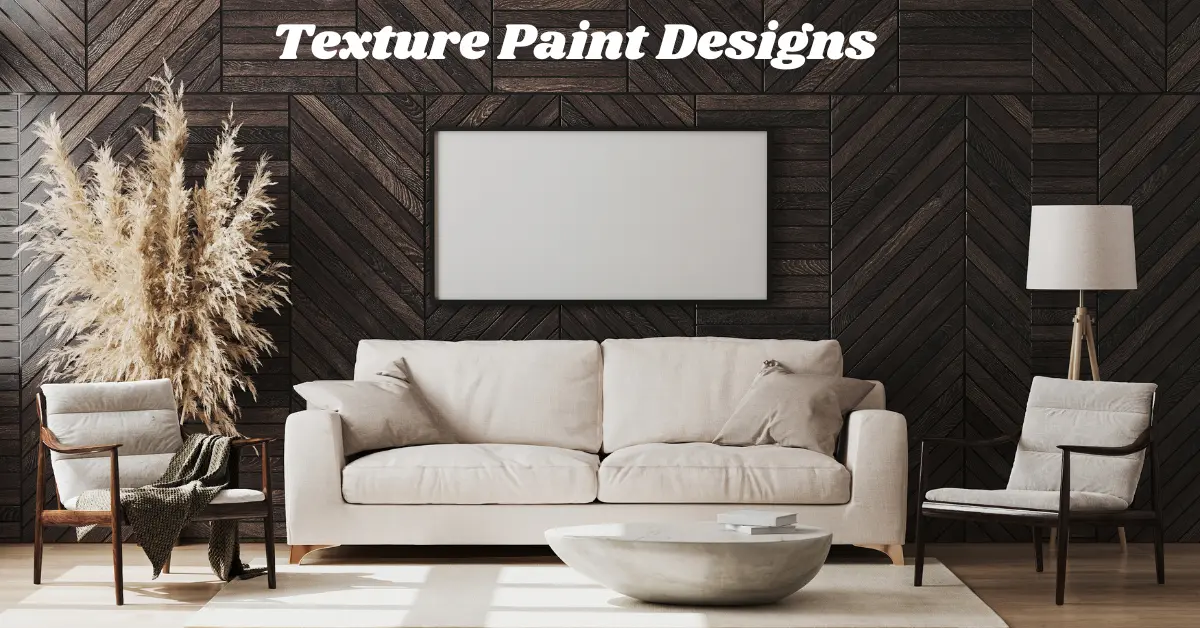
Are you feeling like your home or office space needs a little extra flair? If you want to add depth, character, and personality to your interiors, modern texture paint designs might be just what you need.
Unlike traditional flat paint, textured paint offers so much more than a simple color change. It introduces texture, dimension, and a visual impact that makes any space stand out. Whether you’re aiming for a rustic vibe, sleek metallic finishes, or something completely unique, texture paint designs can completely transform the ambiance of a room.
Let’s dive into the many benefits, styles, and practical reasons why texture paint designs could be the perfect solution for your space.
Why Choose Modern Texture Paint Designs?
Texture paint is more than just an aesthetic upgrade—it’s a way to make your walls come alive. If you’ve been looking for ways to break away from traditional paint and bring something new to your walls, texture paint could be the perfect solution.
It offers several advantages over flat paints, not only in terms of looks but also in its functionality. Here’s why texture paint designs are worth considering:
1. Depth and Visual Interest
One of the primary reasons people love texture paint is its ability to create depth on the walls. Traditional paint gives a flat, uniform look, which can sometimes make a room feel one-dimensional.
Texture paint, on the other hand, adds layers and dimensions to your walls, making them more visually engaging. Whether you choose a subtle texture or something more pronounced, texture paint will make your space feel more dynamic, inviting, and full of character.
2. Versatility in Design
The beauty of texture paint is that it can be used to achieve various effects. You can go for a smooth, sophisticated finish or opt for a rough, textured look depending on your preference.
Whether you want a rustic stucco finish, an elegant brushed metal effect, or a modern geometric pattern, the versatility of texture paint means you can experiment with different styles. This flexibility lets you match your walls to any décor theme, from contemporary to vintage to industrial.
3. Customization for Your Style
When it comes to personalization, texture paint is a perfect way to create something unique. Unlike standard paint or wallpaper, texture paint allows you to customize the finish to your exact preferences. You can blend different textures on the same wall, such as combining a rough plaster finish with smooth, glossy accents for an interesting contrast.
You can even experiment with colors, layering shades to create depth and visual appeal. Texture paint offers infinite creative possibilities that flat paint or wallpaper can’t.
Practical Benefits of Texture Paint Designs
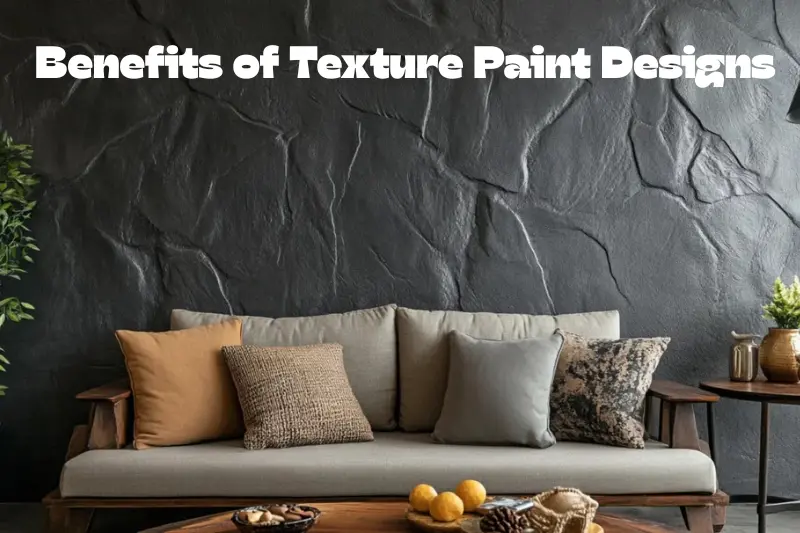
While texture paint designs are undeniably beautiful, they come with a host of practical benefits as well. These benefits not only make your space more aesthetically pleasing but also more functional.
1. Concealing Imperfections
One of the most significant advantages of texture paint is its ability to conceal imperfections in the walls. Cracks, dents, stains, or uneven surfaces can be easily hidden by the right texture design.
Whether you have an old home with weathered walls or a newer home with a few imperfections, textured paint can provide a more uniform and flawless appearance. This makes it a practical solution for people who want to enhance their walls without the need for costly repairs or plastering.
2. Enhanced Acoustics
Another practical benefit of texture paint designs is their impact on sound. Textured surfaces help reduce sound reflection, making the room feel quieter and more comfortable. This is especially beneficial in large rooms or spaces that tend to be noisy.
Whether you’re working from home, hosting a family gathering, or just looking for a more peaceful environment, texture paint can help improve the acoustics of a room, creating a more pleasant atmosphere.
3. Durability and Longevity
In addition to improving the appearance and acoustics of your space, texture paint is also highly durable. It can stand up to wear and tear much better than flat paint.
For areas with high traffic or where your walls are more likely to be touched or bumped, textured paint provides extra protection and can help maintain a fresh appearance for longer. It’s also easier to clean compared to flat paint, as textures tend to hide dirt and marks more effectively.
Texture Paint vs. Wallpaper: Which One Should You Choose?
While wallpaper can create beautiful patterns and effects, it often requires long-term commitment. If you enjoy changing up your style frequently, wallpaper might not be the most flexible option. Texture paint, on the other hand, allows you to experiment with color and design without the permanent commitment that comes with wallpaper.
With texture paint, you can change your design as often as you like, whether you’re refreshing a single accent wall or updating the entire room. Additionally, texture paint can often be less expensive and easier to apply than wallpaper, and you don’t have to worry about peeling or lifting edges. If you love the idea of updating your look without the hassle of removal, texture paint is a much simpler and cost-effective option.
Enjoyed this? There’s even more to check out!
Snapseed Double Expoure Photo Editing – A Comprehensive Guide
Picsart Editing Background Colour Change – Detail Guide – Aarya Editz
Snapseed Background Colour Change Photos Editing – Aarya Editz
Aqua And Yellow Free Lightroom Preset – Detail Guide – Aarya Editz.
Types of Texture Paint Designs
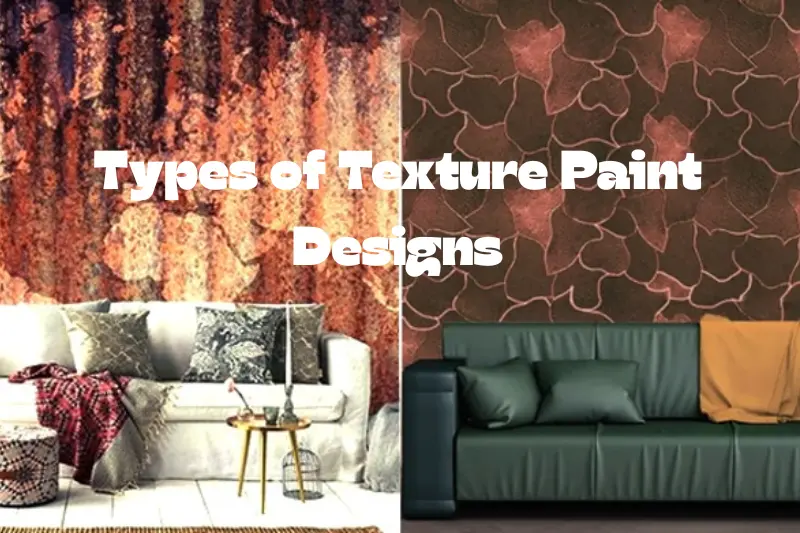
There’s no limit to the kinds of texture paint designs you can create. Here are some popular options:
1. Stucco/Plaster Finishes
For a rustic, old-world charm, consider a stucco or plaster texture. This effect adds a rough, earthy feel to the walls and is perfect for creating a Mediterranean or southwestern ambiance. It works particularly well in living rooms, kitchens, or even bathrooms, adding warmth and character to the space.
2. Metallic Finishes
If you’re after a sleek, modern, and slightly industrial look, metallic texture paints can add a touch of sophistication. These finishes are often used in contemporary settings and can range from subtle pearlescent effects to bold, eye-catching metallic sheens. Metallic paints can be used to accentuate specific areas or to create a striking feature wall.
3. Brushed Pearl or Velvet Finishes
For a soft, luxurious look, brushed pearl or velvet finishes are ideal. These textures offer a smooth, almost velvet-like appearance with subtle depth and shimmer. They are perfect for creating a serene, relaxing environment and work well in bedrooms, living rooms, or dining areas.
4. Faux Finishes
Faux finishes are incredibly popular in modern design, allowing you to replicate materials like marble, granite, or even leather with texture paint. These finishes create a sophisticated and high-end look without the cost of real stone or materials.
5. Geometric Patterns
If you want to make a bold statement, geometric patterns can be an excellent choice. You can create sharp lines, angles, or even 3D effects using texture paint to create an abstract or modern look. Geometric designs can be used for accent walls or as part of a larger design theme.
Tips for Applying Texture Paint Designs
- Preparation is Key: Before applying texture paint, make sure your walls are clean and smooth. Repair any cracks or imperfections to get the best results.
- Choose the Right Tools: Depending on the texture you want to achieve, you may need specific tools like sponges, brushes, trowels, or rollers. Make sure to use the right ones for the finish you desire.
- Start Small: If you’re new to texture painting, try applying the design on a small section of your wall first to get a feel for it before committing to a larger area.
- Layering Colors: For a more dynamic effect, consider layering different colors and textures. Start with a base color and then apply a contrasting textured finish for added depth and richness.
Most Queries
1. What are texture paint designs?
Texture paint designs involve the application of paint with added texture, giving walls depth and a unique, dynamic look. Unlike traditional flat paint, texture paint can create finishes ranging from smooth and subtle to rough and dramatic. These designs can be customized with different textures, colors, and patterns.
2. How do texture paint designs benefit my space?
Texture paint designs not only add visual interest and depth to a room, but they also have practical benefits. They can hide imperfections in walls, such as cracks or stains, and enhance room acoustics by reducing sound reflection. Additionally, they offer long-lasting durability and are easy to maintain.
3. Can texture paint designs be applied to any wall?
Yes, texture paint can be applied to most types of walls, but it’s important to prepare the surface properly. Any cracks, dents, or stains should be fixed before applying texture paint for the best results. Whether you’re working with drywall, plaster, or other surfaces, texture paint can create a striking finish.
4. Is texture paint hard to apply?
While applying texture paint can be more challenging than traditional paint, it’s certainly manageable with the right tools and techniques. It’s recommended to start with a small test area to practice your technique. You can use brushes, rollers, or trowels depending on the texture you’re trying to achieve. If you’re unsure, consider hiring a professional to ensure a smooth application.
5. How do I choose the right texture paint for my space?
The type of texture paint you choose depends on the style and atmosphere you want to create. For a rustic look, consider plaster or stucco finishes. For a more modern, sleek feel, metallic or brushed finishes might be a better fit. Think about the room’s function, lighting, and décor to help guide your choice.
Ready to Transform Your Space?
Now that you’ve explored the many benefits and possibilities of modern texture paint designs, are you ready to give your walls a makeover? Whether you want to conceal imperfections, enhance your room’s acoustics, or simply bring a fresh look to your space, texture paint is an incredibly versatile and functional option.
With a variety of finishes and textures to choose from, you can create a look that’s uniquely yours. So why wait? Transform your space with modern texture paint designs today and make your walls as beautiful and dynamic as your imagination!
Bonus Tips for Using Texture Paint Designs
- Test Before Full Application:
Always test the texture paint on a small area before applying it to an entire wall. This helps you get a feel for the finish and ensures you like the effect. - Enhance with Light and Shadows:
Use lighting to accentuate the texture. Directional lights, like wall sconces, can create beautiful shadows that highlight the texture’s depth. - Mix Textures on One Wall:
Combine different textures on a single wall for added visual interest, such as pairing a smooth metallic finish with a rough plaster effect. - Consider Room Function:
Choose durable textures for high-traffic areas and softer textures for quieter spaces to match the room’s function. - Pair with Complementary Décor:
Pair textured walls with natural materials, such as wood or stone, and use them as a backdrop for artwork to create a cohesive look. - Accent Walls for Experimentation:
Start with a textured accent wall to add focus without overwhelming the room. It’s a great way to test texture before going all in. - Maintain Your Textured Walls:
Dust regularly with a soft brush or vacuum attachment. For deeper cleaning, use a mild soap solution and soft cloth to preserve the texture. - Add Metallic or Glossy Accents:
Metallic or glossy highlights over textured walls can create a luxurious effect and make your space feel elegant. - DIY or Hire a Professional:
While some textures are easy to apply yourself, consider hiring a pro for complex finishes like Venetian plaster for a flawless result. - Experiment with Colors and Layers:
Layer different colors to add depth and complexity to your textured walls. This can make the texture stand out and create a rich, dynamic look.
