
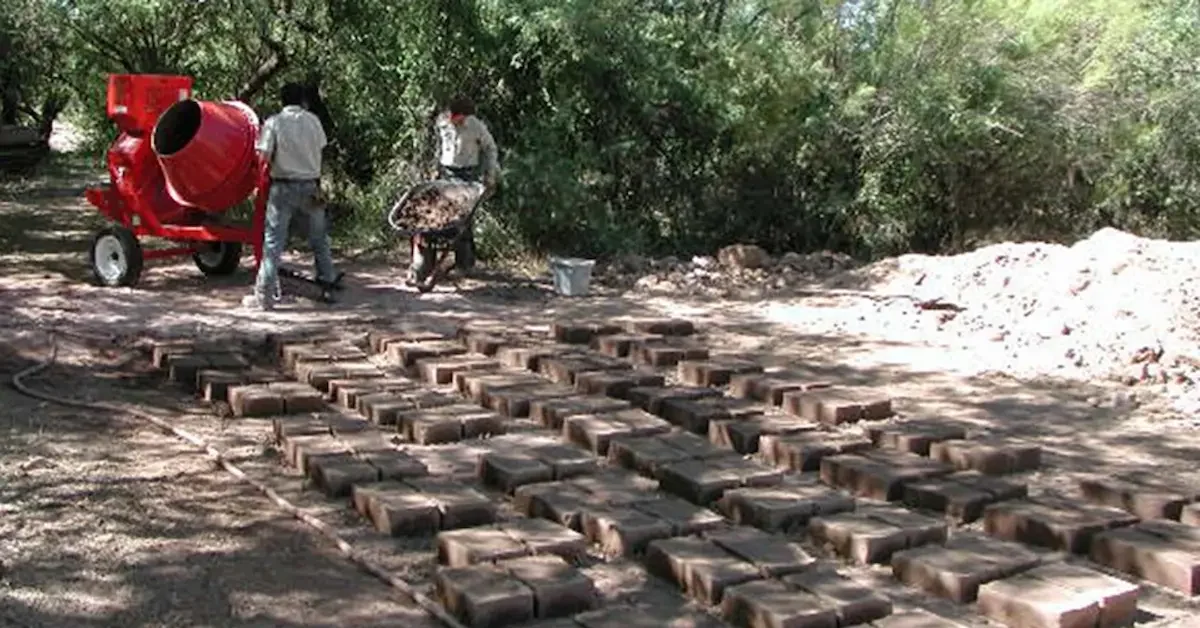
Adobe building material is one of the oldest and most sustainable construction materials used by humans. Made from a simple mixture of clay, sand, water, and natural fibers such as straw, adobe has been used for thousands of years to build homes, schools, temples, and other structures. Despite its ancient origins, adobe remains a popular choice in many parts of the world because of its affordability, durability, and environmental benefits.
As the demand for eco-friendly and energy-efficient buildings continues to grow, more people are turning to natural building materials like adobe. Unlike many modern construction materials, adobe requires very little energy to produce and is often made from locally available resources. This makes it a cost-effective and environmentally responsible option for builders and homeowners.
One of the biggest advantages of adobe building material is its excellent thermal performance. Adobe walls can help keep buildings cool during hot weather and warm during colder months, reducing the need for excessive heating and cooling. This can lead to lower energy bills and a more comfortable indoor living environment.
Adobe is also valued for its natural appearance and unique architectural style. Many adobe structures blend beautifully with their surroundings and offer a timeless look that appeals to both traditional and modern builders. With proper construction and maintenance, adobe buildings can last for generations.
In this guide, we will explore everything you need to know about adobe building material, including how it is made, its benefits, common uses, advantages and disadvantages, and why it is becoming increasingly popular in sustainable construction projects around the world.
What Is Adobe Building Material?
Adobe building material is a natural construction material made from a mixture of clay, sand, water, and organic fibers such as straw or grass. These ingredients are combined to create adobe bricks or blocks, which are then dried naturally in the sun before being used in construction. Because adobe is made from natural and locally available materials, it is considered one of the most environmentally friendly building options.
For centuries, people have used adobe to construct homes, walls, religious buildings, and community structures. Its durability, affordability, and ability to regulate indoor temperatures have made it a popular choice in many regions, especially in dry and warm climates.
Understanding Adobe Building Material
Adobe is an earthen building material that does not require firing in a kiln like traditional bricks. Instead, the mixture is molded into blocks and left to dry naturally under the sun. This process reduces energy consumption and makes adobe a sustainable alternative to many modern construction materials.
The strength of adobe comes from the combination of clay and sand, while straw or other natural fibers help prevent cracking and improve durability. Once the blocks are completely dry, they become strong enough to be used for walls and other structural elements.
Main Ingredients Used in Adobe
Adobe is made from simple natural materials that are often easy to find locally.
Clay
Clay acts as the primary binding material in adobe. It holds the mixture together and gives the blocks their strength and shape.
Sand
Sand helps improve the stability of adobe bricks and reduces shrinkage and cracking during the drying process.
Straw or Natural Fibers
Straw is added to reinforce the adobe mixture. It works like a natural support system that increases durability and helps prevent structural damage.
Water
Water is used to mix all the ingredients together and create a workable material that can be molded into bricks.
How Adobe Bricks Are Made
The process of making adobe bricks is relatively simple and has remained largely unchanged for centuries.
- Gather clay, sand, straw, and water.
- Mix the ingredients thoroughly until a consistent texture is achieved.
- Pour the mixture into brick molds.
- Remove the molds and place the bricks in a sunny area.
- Allow the bricks to dry naturally for several days or weeks.
- Once fully dried, the bricks are ready for construction.
This straightforward process contributes to adobe’s popularity as a low-cost and sustainable building material.
Why Adobe Is Considered Sustainable
Adobe is often praised for its environmental benefits. The materials used are natural, renewable, and typically sourced locally. Since adobe bricks are dried by the sun rather than fired in industrial kilns, their production requires far less energy than many conventional building materials.
Additionally, adobe buildings can reduce energy consumption by providing natural insulation, making them an attractive option for environmentally conscious builders.
Where Adobe Is Commonly Used
Adobe construction is most common in regions with hot and dry climates. It has been widely used in parts of Africa, Asia, the Middle East, Europe, and the Americas. Many historic adobe structures are still standing today, demonstrating the material’s long-lasting durability when properly maintained.
Modern architects and builders continue to use adobe in eco-friendly housing projects, sustainable communities, and traditional-style buildings because of its natural beauty and environmental advantages.
Why Adobe Remains Popular Today
Even with the availability of modern construction materials, adobe remains a valuable building option. Its affordability, energy efficiency, sustainability, and unique appearance make it appealing to homeowners and builders seeking natural alternatives.
As interest in green building practices continues to grow, adobe building material is once again gaining attention as a practical and environmentally responsible choice for modern construction.
you may also like to read these posts;
Stylish Happy Diwali Wishes With Name And Photo Edit – Aarya Editz
Happy Holi Photo Editing Online – Complete Guide – Aarya Editz
AK Editz Logo – A Key To Strong Brand Identity – Aarya Editz
How Adobe Building Material Is Made
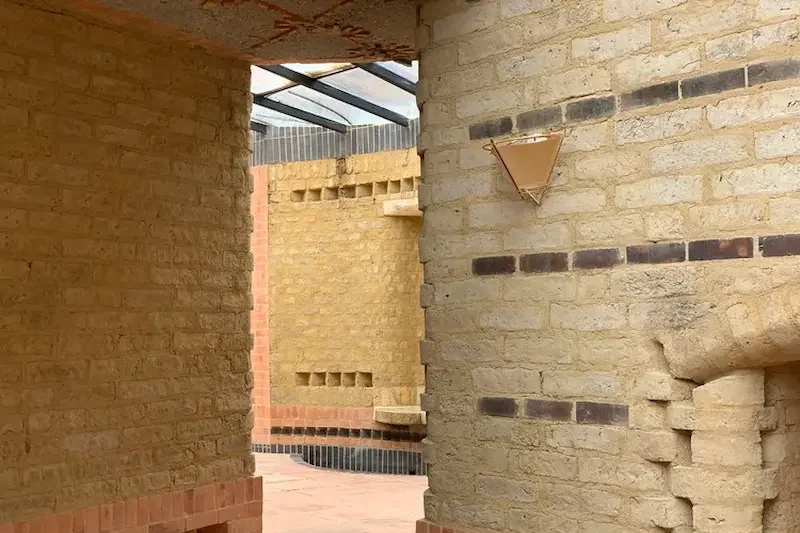
One of the reasons adobe building material has remained popular for centuries is its simple manufacturing process. Unlike many modern construction materials that require factories and heavy machinery, adobe can be made using natural ingredients and basic tools. This makes it an affordable and environmentally friendly option for building homes and other structures.
The process involves mixing natural materials, shaping them into bricks, and allowing them to dry naturally in the sun. Although the method is simple, careful preparation is important to produce strong and durable adobe blocks.
Main Ingredients Used in Adobe
Adobe is made from four primary ingredients that work together to create a strong and reliable building material.
Clay
Clay serves as the main binding agent in adobe. It helps hold all the ingredients together and provides strength to the finished brick. The quality of the clay plays an important role in determining the durability of the adobe block.
Sand
Sand is added to improve stability and reduce cracking during the drying process. It helps balance the clay content and prevents excessive shrinkage as the bricks dry.
Straw or Natural Fibers
Straw is commonly mixed into adobe because it acts as natural reinforcement. These fibers help strengthen the bricks and reduce the chances of cracking. In some regions, grass, animal hair, or other natural fibers may be used instead of straw.
Water
Water is essential for mixing the ingredients into a workable consistency. It allows the clay, sand, and straw to blend properly and makes it easier to shape the adobe bricks.
Step 1: Gathering the Materials
The first step in making adobe is collecting the necessary materials. Builders usually source clay, sand, and straw from local areas, which helps keep costs low and reduces transportation expenses.
Using locally available materials is one of the reasons adobe is considered a sustainable building solution.
Step 2: Mixing the Ingredients
Once the materials are gathered, they are mixed thoroughly with water. The goal is to create a thick, uniform mixture where all ingredients are evenly distributed.
Traditionally, the mixing process was done by hand or by using animals to help blend the materials. Today, some builders use mechanical mixers to speed up the process.
Step 3: Filling the Molds
After the mixture is ready, it is poured into rectangular molds that determine the size and shape of the adobe bricks. The molds are usually made from wood or metal.
The mixture is pressed firmly into the molds to remove air pockets and ensure the bricks have a consistent shape.
Step 4: Removing the Molds
Once the molds are filled, they are carefully removed, leaving the freshly formed adobe bricks on a flat surface. At this stage, the bricks are still wet and fragile, so they must be handled with care.
Step 5: Sun Drying the Bricks
The newly formed bricks are left in the sun to dry naturally. Depending on weather conditions, this process can take several days or even weeks.
During drying, the bricks gradually harden as moisture evaporates. Builders often turn the bricks periodically to ensure even drying on all sides.
Step 6: Quality Inspection
After drying is complete, the bricks are inspected for cracks, weak spots, or other defects. Well-made adobe bricks should be strong, uniform, and capable of supporting construction loads.
Any damaged bricks are usually repaired or recycled into future batches.
Why Sun-Drying Is Important
Unlike traditional fired bricks, adobe bricks are not baked in a kiln. Instead, they rely on natural sunlight to harden. This significantly reduces energy consumption and lowers production costs.
Sun-drying also helps make adobe one of the most environmentally friendly building materials available today.
Modern Improvements in Adobe Production
While traditional methods are still widely used, modern construction techniques have improved adobe manufacturing. Some builders add stabilizing materials such as cement or lime to increase strength and water resistance.
Advanced molding equipment and testing methods also help ensure more consistent brick quality while maintaining adobe’s natural and sustainable qualities. Adobe Building Material
Benefits of the Adobe Manufacturing Process
The process of making adobe offers several advantages:
- Uses natural and renewable materials
- Requires minimal energy consumption
- Produces very little environmental pollution
- Supports sustainable construction practices
- Keeps building costs relatively low Adobe Building Material
- Can be performed using local resources
These benefits make adobe an attractive choice for people looking for eco-friendly and cost-effective building materials.
Types of Adobe Building Material
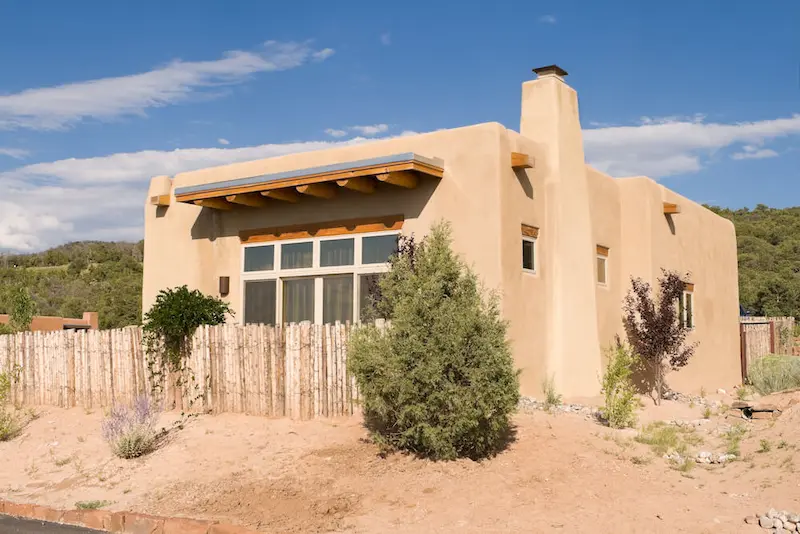
Adobe building material is available in several forms, each designed to meet different construction needs. While traditional adobe bricks remain the most widely used type, modern building techniques have introduced improved versions that offer greater strength, durability, and resistance to environmental conditions. Adobe Building Material
Understanding the different types of adobe building material can help builders and homeowners choose the best option for their projects.
Traditional Adobe Bricks
Traditional adobe bricks are the oldest and most common form of adobe construction. They are made by mixing clay, sand, water, and straw, then shaping the mixture into blocks and drying them naturally in the sun.
These bricks have been used for thousands of years in homes, schools, religious buildings, and community structures. Their simplicity and low production cost make them a popular choice in many rural and developing areas. Adobe Building Material
Features of Traditional Adobe Bricks
- Made entirely from natural materials
- Low manufacturing cost
- Environmentally friendly
- Excellent thermal insulation
- Suitable for dry climates
Traditional adobe bricks work best in regions with low rainfall because excessive moisture can weaken the structure if proper protection is not provided. Adobe Building Material
Stabilized Adobe Blocks
Stabilized adobe blocks are a modern version of traditional adobe bricks. During production, small amounts of stabilizing materials such as cement, lime, or asphalt emulsion are added to the mixture.
These additives improve the strength, durability, and water resistance of the blocks, making them more suitable for modern construction projects. Adobe Building Material
Benefits of Stabilized Adobe Blocks
- Increased structural strength
- Better resistance to moisture
- Longer lifespan
- Reduced maintenance requirements Adobe Building Material
- Suitable for a wider range of climates
Because of these advantages, stabilized adobe blocks are becoming increasingly popular in sustainable housing developments. Adobe Building Material
Compressed Adobe Blocks
Compressed adobe blocks are produced using mechanical presses that compact the adobe mixture under high pressure. This creates denser and stronger blocks compared to traditional hand-molded adobe bricks. Adobe Building Material
The compression process improves consistency and structural performance while maintaining many of adobe’s environmental benefits.
Advantages of Compressed Adobe Blocks
- Higher strength and durability
- More uniform size and shape
- Improved load-bearing capacity
- Better resistance to cracking Adobe Building Material
- Faster construction process
These blocks are often used in modern eco-friendly construction projects where higher performance standards are required.
Modern Adobe Construction Systems
Advances in building technology have led to the development of modern adobe construction systems. These systems combine traditional adobe materials with engineering techniques that improve safety, efficiency, and durability. Adobe Building Material
Modern adobe buildings may include reinforced walls, moisture barriers, advanced foundations, and improved roofing systems to address some of the limitations of traditional adobe construction.
Features of Modern Adobe Systems
- Enhanced structural stability
- Better protection against weather conditions
- Compliance with modern building standards
- Improved energy efficiency
- Greater design flexibility Adobe Building Material
These innovations allow builders to enjoy the benefits of adobe while meeting contemporary construction requirements.
Adobe Panels and Prefabricated Components
In some regions, manufacturers produce prefabricated adobe panels and building components. These products are created in controlled environments and transported to construction sites for assembly. Adobe Building Material
This approach helps reduce construction time and improves quality control while preserving the environmental benefits of adobe materials.
Which Type of Adobe Is Best?
The best type of adobe building material depends on the project’s requirements, budget, climate, and local building regulations.
- Traditional adobe bricks are ideal for low-cost and environmentally friendly construction.
- Stabilized adobe blocks offer better durability and moisture resistance. Adobe Building Material
- Compressed adobe blocks provide higher strength and consistency.
- Modern adobe systems combine sustainability with advanced construction performance. Adobe Building Material
By selecting the right type of adobe, builders can create structures that are durable, energy-efficient, and environmentally responsible while maintaining the natural beauty that adobe construction is known for.
What is adobe building material?
Adobe building material is a natural construction material made from clay, sand, water, and straw or other natural fibers. It is commonly used to make bricks and walls for homes and other structures.
What materials are used to make adobe?
Adobe is typically made from four main ingredients: clay, sand, water, and straw. These materials are mixed together, molded into bricks, and dried naturally in the sun.
Is adobe building material environmentally friendly?
Yes, adobe is considered one of the most eco-friendly building materials. It is made from natural resources, requires very little energy to produce, and has a low environmental impact compared to many modern construction materials.
Conclusion
Adobe building material remains one of the most sustainable and environmentally friendly construction options available today. Made from natural ingredients such as clay, sand, water, and straw, adobe offers a unique combination of affordability, durability, and energy efficiency. Its ability to regulate indoor temperatures naturally makes it an excellent choice for creating comfortable living spaces while reducing energy costs.
Although adobe construction has been used for thousands of years, it continues to be relevant in modern building projects due to the growing demand for eco-friendly and sustainable housing solutions. From traditional homes to contemporary green buildings, adobe provides a practical alternative to many conventional construction materials.
While it does require proper maintenance and protection from moisture, the long-term benefits of adobe often outweigh its challenges. With the right design, construction methods, and care, adobe buildings can last for generations and provide a healthy, comfortable environment for occupants.
As interest in sustainable architecture continues to grow, adobe building material is likely to remain an important part of environmentally responsible construction. Whether you are planning a new home, an eco-friendly project, or simply exploring natural building methods, adobe is a valuable option worth considering.
