
Understanding the Polygraph: What Is a Lie Detector Test?
A lie detector test, formally known as a polygraph examination, is a process used to determine whether a person is being truthful or deceptive. The test works by measuring and recording physiological responses that are believed to change when a person is lying. These responses typically include blood pressure, heart rate, respiratory rate, and skin conductivity. The underlying theory of the polygraph is that when a person tells a lie, they experience psychological stress that manifests in the body in measurable ways. However, despite its widespread use, the polygraph is a controversial tool with as many critics as supporters. In South Carolina, as in many other states, polygraph tests are utilized in a range of contexts—from criminal investigations to pre-employment screening and even in private domestic disputes. But the science behind the polygraph and its legal standing vary considerably, raising essential questions about its reliability and ethical implications.
The History and Evolution of the Polygraph
The polygraph has a long and storied history dating back to the early 20th century. It was first introduced in the 1920s by John Augustus Larson, a medical student and police officer who designed a machine that could measure changes in blood pressure and respiration. Over time, the device evolved to include additional metrics like galvanic skin response (GSR), which tracks changes in the skin’s ability to conduct electricity—a function closely tied to perspiration. Though initially hailed as a groundbreaking innovation in criminal justice, the polygraph has faced increasing scrutiny over the decades. Critics point to inconsistent results, false positives, and the potential for manipulation by well-trained subjects. Despite this, polygraph exams have continued to find their way into various sectors of American life, including law enforcement, the military, and even reality television. In South Carolina, polygraph testing remains an available tool for a variety of investigative and evaluative purposes, although with specific legal limitations.
How Polygraph Tests Work: The Mechanics Behind the Machine
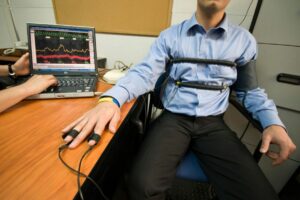
A standard polygraph examination typically begins with a pre-test interview. During this phase, the examiner builds rapport with the subject, explains the testing process, and clarifies the questions that will be asked. This stage is essential not just for establishing a baseline for physiological measurements, but also for psychologically preparing the subject, which can influence the accuracy of the results. After the pre-test, the individual is connected to the polygraph machine via sensors placed on the chest, fingers, and arm. These sensors record various physiological indicators while the subject answers a series of yes-or-no questions. The test is designed to include relevant questions (directly related to the issue under investigation), control questions (to gauge normal physiological responses), and irrelevant questions (to further establish baseline readings). The data collected is then analyzed by the examiner to determine whether the physiological responses to relevant questions suggest deception.
In South Carolina, as in other states, polygraph examiners are trained professionals who often possess backgrounds in law enforcement, psychology, or forensic science. However, even with professional administration, the results of polygraph tests are not foolproof and are considered by many to be more art than science.
Legal Standing of Lie Detector Tests in South Carolina
The use of polygraph evidence in courtrooms is a complex and contentious issue, especially in South Carolina. Generally, polygraph results are not admissible as evidence in criminal trials due to concerns over their reliability and the potential for prejudicing a jury. The South Carolina judiciary typically follows the broader federal and national standards, which hold that polygraph results do not meet the necessary threshold of scientific validity to be presented in court. However, there are exceptions. In certain cases, both the prosecution and the defense may agree in advance to admit polygraph results, often in the context of plea negotiations or pretrial hearings.
Outside of the courtroom, polygraph tests are more freely utilized. Law enforcement agencies across South Carolina may use polygraphs during the investigation phase to help narrow down suspects or confirm witness statements. Private investigators and legal professionals also use them for civil cases, including divorce proceedings, custody battles, and even employment disputes. However, it is important to note that South Carolina adheres to the federal Employee Polygraph Protection Act (EPPA), which restricts most private employers from using lie detector tests during hiring processes or while an employee is working. There are exemptions for certain security-sensitive jobs, such as positions involving pharmaceuticals, armored car services, or law enforcement.
Applications of Polygraph Tests in South Carolina
Polygraph In South Carolina, polygraph tests are used in a variety of settings, each with its own legal, ethical, and procedural considerations. In criminal justice, law enforcement agencies may administer polygraph tests to suspects, witnesses, or even victims, particularly in cases involving serious offenses such as murder, sexual assault, or major theft. While the test results themselves may not be admissible in court, they can be used to guide further investigation or to elicit confessions from suspects who believe the results are conclusive. Prosecutors may also use polygraphs as a negotiation tool, offering reduced charges or plea deals based on a successful test result.
Beyond the criminal realm, polygraph testing has found a niche in civil and domestic affairs. In contentious divorce cases, for example, one party may voluntarily undergo a polygraph to demonstrate honesty regarding accusations of infidelity or financial misconduct. Similarly, parents involved in custody disputes may use lie detector tests to refute allegations of abuse or neglect. While these results may not be directly accepted by a judge, they can influence mediation proceedings or be used to support broader psychological evaluations.
In the corporate world, South Carolina businesses operating in sensitive industries may use polygraph tests under strict legal exemptions. For example, companies involved in national defense, nuclear energy, or certain federal contracts may require polygraph testing as part of their security clearance procedures. Even in these cases, the test must be administered by a licensed examiner and adhere to stringent procedural standards.
The Reliability Debate: Are Polygraph Tests Truly Accurate?
One of the most significant controversies surrounding polygraph testing is its accuracy. Supporters claim that when conducted properly, polygraph tests can be up to 90% accurate in detecting deception. However, critics, including many in the scientific and legal communities, argue that the results are too unreliable to serve as definitive proof of truth or falsehood. A major issue is the subjectivity of interpretation. Polygraph data must be analyzed by an examiner, who may consciously or unconsciously be influenced by biases, expectations, or external pressures.
Another concern is that physiological responses measured by the polygraph—such as increased heart rate or sweating—are not exclusive to lying. Nervousness, fear, embarrassment, or even anger can produce similar reactions, making it difficult to determine whether the person is actually being deceptive or simply anxious. Moreover, skilled individuals may be able to manipulate the results through countermeasures, such as controlled breathing, physical discomfort, or mental distractions.
In South Carolina, these limitations are well recognized by both legal professionals and law enforcement officials. As a result, polygraph tests are typically used as one component of a broader investigatory strategy rather than as a standalone source of truth.
Choosing a Polygraph Examiner in South Carolina: What to Look For
If you are considering undergoing a polygraph test in South Carolina—whether voluntarily or as part of a legal or professional process—it’s crucial to select a qualified and reputable examiner. In South Carolina, polygraph examiners must be licensed by the South Carolina Law Enforcement Division (SLED), which sets minimum standards for training, experience, and ethics. Most qualified examiners will have completed a certified polygraph school and have a background in criminal justice or behavioral science.
When selecting an examiner, be sure to verify their credentials, ask for references, and inquire about their testing procedures and success rates. A good examiner should be transparent, impartial, and committed to following standardized protocols. They should also clearly explain the limitations of the test and avoid making exaggerated claims about its accuracy.
Cost is another consideration. In South Carolina, a professional polygraph test can range from $300 to $800, depending on the examiner’s experience, the complexity of the case, and whether the test is being used in a legal, corporate, or personal context.
Location South Carolina
- Columbia – 1320 Main St, Columbia, SC 29201
- Rock Hill – 331 East Main Street, Rock Hill, SC 29730
- Greenville – 220 N Main St NOMA Tower, Greenville, SC 29601
- Charleston – 170 Meeting St, Charleston, SC 29401
- Hilton Head – 32 Office Park Rd, Hilton Head, SC 29928
Conclusion: The Role of Lie Detector Tests in South Carolina Today
Lie detector tests, or polygraphs, continue to occupy a unique and often controversial place in South Carolina’s legal and investigative landscape. While they are not admissible as evidence in most court proceedings, they are still widely used by law enforcement, attorneys, employers, and private individuals seeking to uncover the truth in various contexts. However, their reliability remains a point of contention, and anyone considering a polygraph should understand both its potential and its limitations. In South Carolina, strict regulations and licensing requirements aim to ensure that polygraph exams are conducted ethically and professionally. Yet, the ultimate value of a lie detector test often depends not just on the machine or the data it collects, but on how that information is interpreted—and how it fits into a larger search for truth.
As technology and behavioral science continue to evolve, the future of polygraph testing in South Carolina and across the nation will likely change. But for now, the polygraph remains a tool—one with the power to clarify, but not to conclusively determine, what is true and what is false.
