
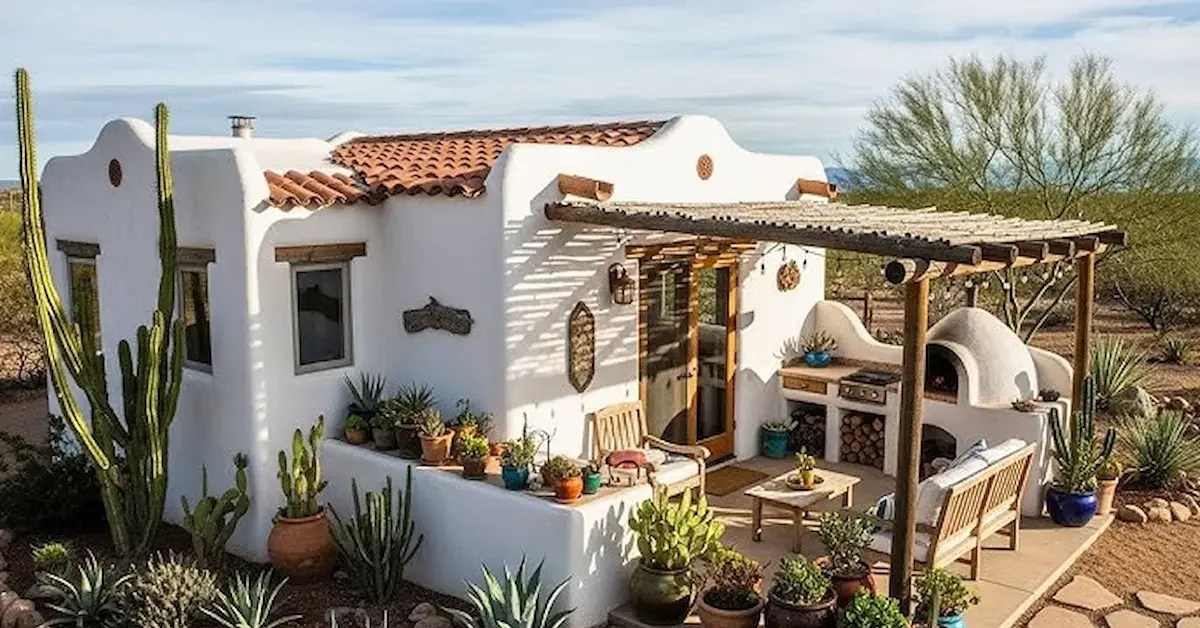
A traditional adobe house is one of the oldest and most natural types of homes in the world. Built using simple materials like clay, sand, straw, and water, these houses have been used for centuries in different parts of the world. Despite their ancient origins, adobe houses are still valued today for their strength, beauty, and eco-friendly design.
Traditional adobe houses are especially common in hot and dry regions because their thick walls help keep interiors cool in summer and warm in winter. This natural temperature control makes them energy-efficient and comfortable to live in without heavy use of modern heating or cooling systems.
In recent years, there has been a growing interest in sustainable living and environmentally friendly construction. Because of this, many people are once again exploring adobe houses as a practical and green housing option. These homes not only reduce environmental impact but also offer a unique and natural architectural style that stands out from modern buildings.
In this article, we will explore what a traditional adobe house is, how it is built, its key features, benefits, challenges, and why it is still important in today’s world. Whether you are interested in architecture, history, or sustainable living, this guide will help you understand everything about adobe houses in a simple and clear way.
What Is a Traditional Adobe House?
A traditional adobe house is a type of home built using natural materials such as clay, sand, straw, and water. These materials are mixed together to form thick bricks called “adobes,” which are then dried in the sun and used to construct strong, durable walls.
Unlike modern houses that use cement, steel, and concrete, adobe houses rely on earth-based materials. This makes them one of the oldest and most eco-friendly building styles in human history.
Simple Definition
In simple words, a traditional adobe house is an earth-built home made from sun-dried mud bricks. These houses are designed to blend with the natural environment while providing comfort and protection.
History of Adobe Houses
Adobe construction has been used for thousands of years. Ancient civilizations in regions such as the Middle East, Africa, South America, and North America built homes and structures using adobe techniques. Many of these buildings are still standing today, showing the strength and durability of this traditional method.
Where Adobe Houses Are Common
Traditional adobe houses are mostly found in:
- Southwestern United States (such as New Mexico and Arizona)
- Mexico
- Peru and other parts of South America
- North Africa and the Middle East
These regions have hot, dry climates, which are ideal for adobe construction.
Why Adobe Houses Are Special
Adobe houses are unique because they are:
- Built from natural and locally available materials
- Environmentally friendly and sustainable
- Naturally cool in hot weather and warm in cold weather
- Simple in design but very strong when properly maintained
Final Thoughts
A traditional adobe house is more than just a structure—it is a reflection of ancient building wisdom and sustainable living. Its natural materials and climate-friendly design make it an important part of architectural history and a continuing inspiration for modern eco-friendly housing.
you may also like to read these posts;
Stylish Happy Diwali Wishes With Name And Photo Edit – Aarya Editz
Happy Holi Photo Editing Online – Complete Guide – Aarya Editz
AK Editz Logo – A Key To Strong Brand Identity – Aarya Editz
How Adobe Bricks Are Made
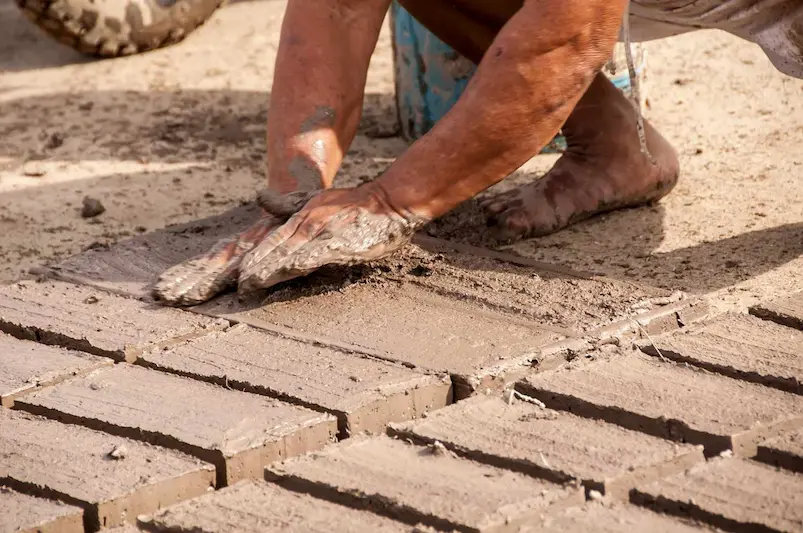
Adobe bricks are the foundation of a traditional adobe house. They are made using simple natural materials that are easy to find in many regions. The process is traditional, eco-friendly, and has been used for thousands of years.
Materials Used in Adobe Bricks
Adobe bricks are made from a basic mixture of:
- Clay (for strength and binding)
- Sand (to reduce cracking)
- Straw or grass (to improve flexibility)
- Water (to mix everything together)
These natural ingredients create a strong and workable mud mixture that can be shaped into bricks.
Step-by-Step Process of Making Adobe Bricks
The process of making adobe bricks is simple but requires patience and sunlight for drying.
1. Mixing the Materials
All ingredients are mixed together in a large pit or container. The mixture is stirred thoroughly until it becomes a thick, smooth mud.
2. Shaping the Bricks
The mud mixture is placed into wooden molds to form uniform brick shapes. These molds help ensure that all bricks are the same size.
3. Drying in the Sun
After shaping, the bricks are removed from the molds and left to dry in the sun. This drying process can take several days or even weeks depending on the weather.
4. Turning and Checking
During drying, the bricks are turned occasionally to ensure they dry evenly and do not crack.
5. Ready for Construction
Once fully dried and hardened, the adobe bricks are ready to be used for building walls and structures.
Why Adobe Bricks Are Important
Adobe bricks are essential because they:
- Provide natural insulation
- Are low-cost and easy to produce
- Use locally available materials
- Reduce environmental impact
- Create strong and durable structures when properly maintained
Final Thoughts
The process of making adobe bricks reflects the simplicity and sustainability of traditional construction methods. Even today, this ancient technique continues to inspire eco-friendly building practices around the world.
How Traditional Adobe Houses Are Built
Building a traditional adobe house is a step-by-step process that combines simple materials with skilled craftsmanship. Although the method is ancient, it is still used today in many regions because of its strength, sustainability, and natural cooling properties.
1. Preparing the Foundation
The construction of an adobe house begins with a strong foundation. A raised stone or concrete base is usually built to protect the adobe walls from ground moisture and water damage. This step is very important because adobe materials are sensitive to water.
2. Building Thick Adobe Walls
Once the foundation is ready, sun-dried adobe bricks are stacked to form thick walls. Mud mortar is used to bind the bricks together. These walls are often very thick, which helps improve insulation and stability.
3. Creating Openings for Doors and Windows
During construction, spaces are carefully left for doors and windows. Wooden frames are added to support these openings and maintain the structure’s strength. The placement of windows is usually small to help control indoor temperature.
4. Constructing the Roof
Traditional adobe houses often use wooden beams to support the roof. In many designs, flat roofs are common, especially in dry climates. The roof is built to provide shade and protect the walls from direct sunlight and rain.
5. Applying Protective Plaster
After the structure is completed, a protective layer of plaster (made from mud, lime, or cement in modern versions) is applied to the walls. This layer helps protect the adobe from erosion caused by wind and moisture.
6. Final Finishing and Decoration
Finally, the house is finished with simple yet beautiful details. This may include painted walls, carved wooden doors, or decorative elements that reflect local culture and traditions.
Why This Construction Method Works
The traditional adobe building method is effective because it:
- Uses natural and locally available materials
- Provides excellent insulation in all seasons
- Creates strong, long-lasting structures
- Is cost-effective compared to modern construction
Final Thoughts
The construction of a traditional adobe house shows how simple materials and smart design can create durable and comfortable homes. Even today, this method remains a symbol of sustainable and eco-friendly architecture.
Key Features of a Traditional Adobe House
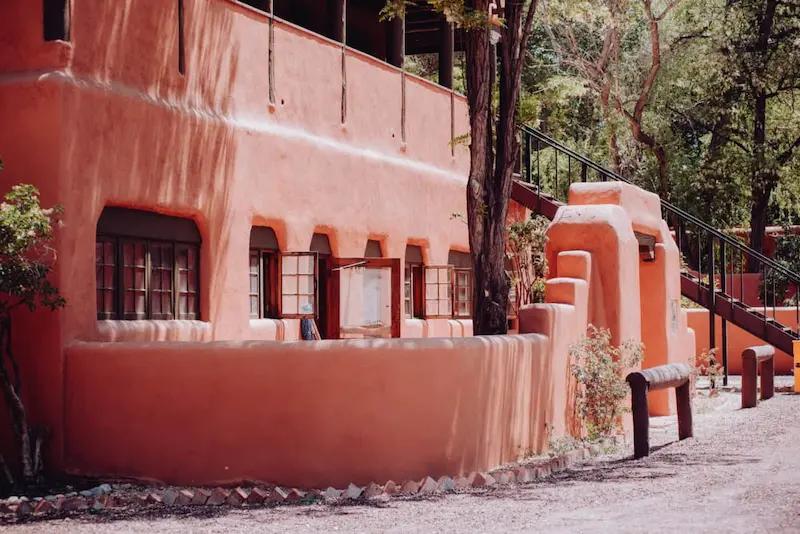
A traditional adobe house is known for its unique design, natural materials, and excellent climate control. These homes have been used for centuries and continue to be appreciated for their simplicity and sustainability.
Thick and Strong Walls
One of the most important features of an adobe house is its thick walls. These walls are made from sun-dried adobe bricks and mud mortar, making the structure strong and stable. The thickness also helps protect the house from extreme weather conditions.
Natural Temperature Control
Adobe houses naturally regulate indoor temperature. The thick earthen walls keep the interior cool during hot summers and warm during cold winters. This reduces the need for artificial heating and cooling systems.
Energy Efficiency
Because of their natural insulation, adobe houses consume less energy. This makes them an eco-friendly housing option that helps reduce electricity costs and environmental impact.
Earthy and Natural Appearance
Adobe houses have a warm, natural look that blends beautifully with the environment. Their earthy tones and simple designs give them a unique and traditional architectural style.
Durable Construction
When properly maintained, adobe houses can last for many decades or even centuries. Many historic adobe buildings are still standing today, proving their long-lasting durability.
Eco-Friendly Design
Adobe houses are built using natural and locally available materials such as clay, sand, straw, and water. This makes them environmentally friendly and sustainable compared to modern concrete structures.
Fire and Sound Resistance
Due to their thick earthen walls, adobe houses offer good resistance to fire and reduce outside noise. This creates a safer and quieter living environment.
Final Thoughts
The key features of a traditional adobe house make it a practical and sustainable housing option. Its natural insulation, durability, and eco-friendly design continue to make it relevant even in modern times.
What is a traditional adobe house?
A traditional adobe house is a home built using natural materials like clay, sand, straw, and water. These materials are shaped into sun-dried bricks and used to construct strong, eco-friendly walls.
Are adobe houses still used today?
Yes, adobe houses are still used in many parts of the world, especially in dry and hot regions. They are also becoming popular again due to their eco-friendly and energy-efficient design.
How long do adobe houses last?
With proper maintenance, adobe houses can last for many decades or even centuries. Some historic adobe buildings are still standing today after hundreds of years.
Conclusion
A traditional adobe house is a remarkable example of simple, natural, and sustainable architecture that has stood the test of time. Built from earth-based materials like clay, sand, straw, and water, these homes offer a unique combination of strength, beauty, and environmental friendliness.
One of the biggest advantages of adobe houses is their natural ability to regulate temperature, keeping interiors cool in hot weather and warm in cold conditions. This makes them energy-efficient and comfortable to live in, especially in dry climates. Their thick walls, earthy appearance, and long-lasting structure make them both practical and visually appealing.
Although adobe houses require proper maintenance and protection from moisture, their durability and eco-friendly design continue to make them valuable in modern construction. Today, they are not only a part of architectural history but also an inspiration for sustainable building practices.
In the end, traditional adobe houses represent a perfect balance between nature and human living. They remind us that simple materials and thoughtful design can create homes that are both functional and environmentally responsible.
